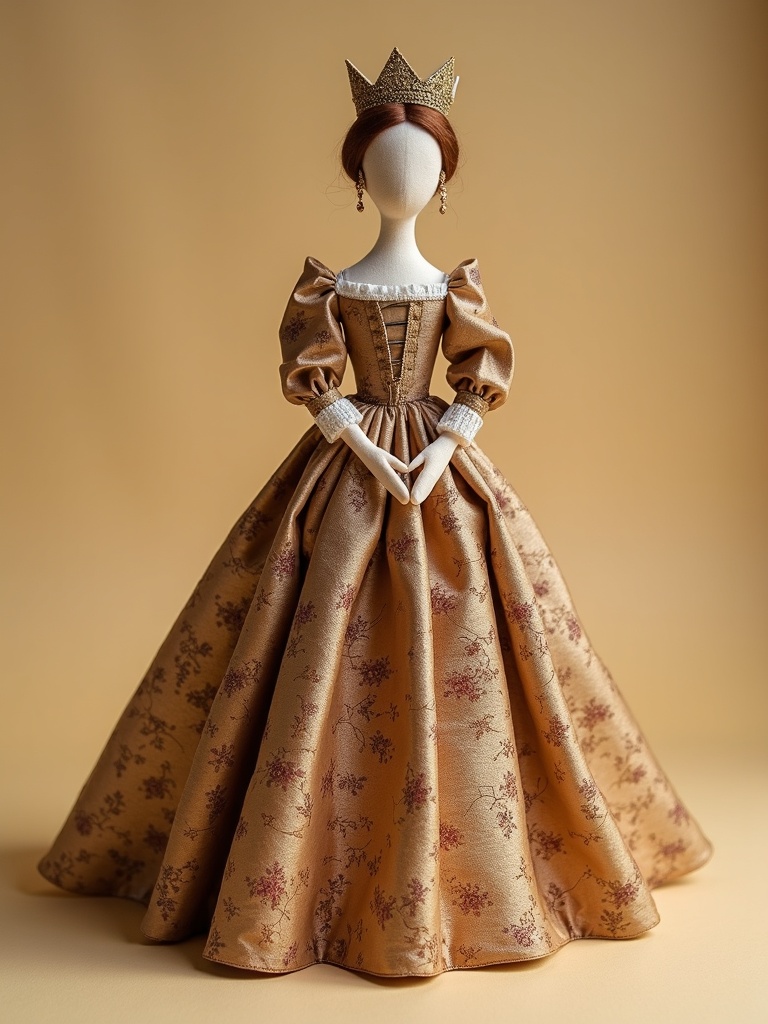
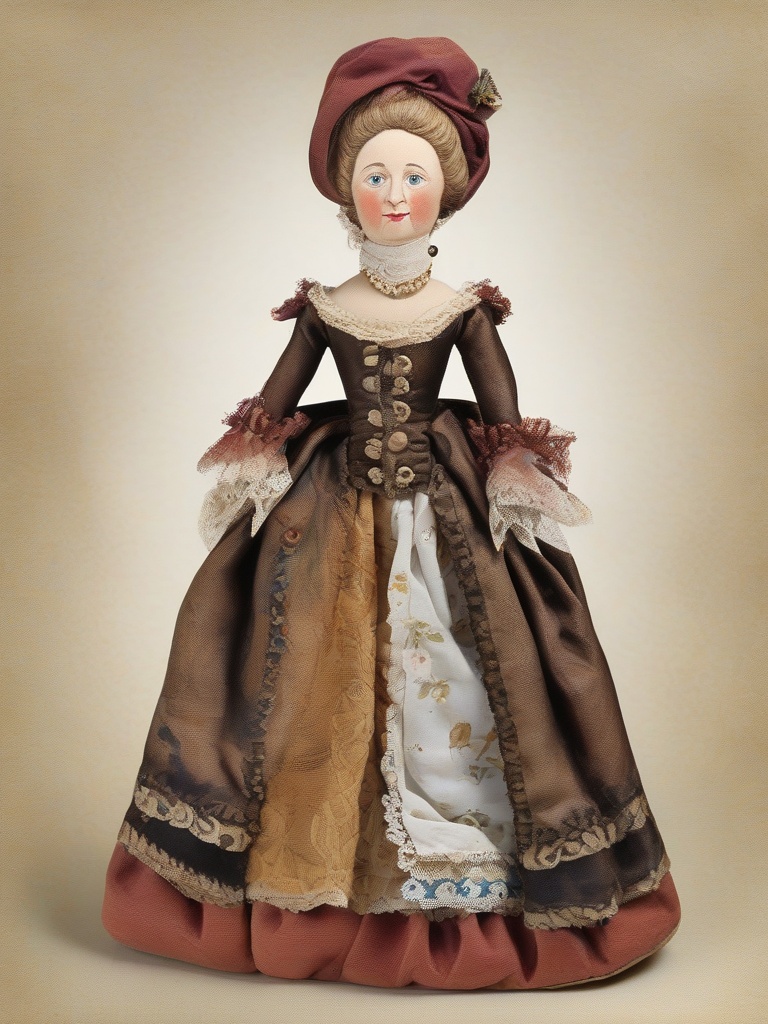
AI design preview — not a photo of the finished handmade doll
Reform & Legitimate Rule
Maria Theresa
She was never meant to rule — and when she did, she rebuilt a whole state and opened the schoolhouse door for every child.
- People
- Austrian (Viennese), House of Habsburg
- Country
- Austria
- Region
- Central Europe
- Era
- 1717–1780
- Theme
- Reform & Legitimate Rule
Make your own
Design your Maria Theresa
Pick a garment, a hairstyle and a scene, enter the PIN and generate a fresh image of Maria Theresa with AI.
⚖ AI homage concept — not a likeness of the real person.
Each image is generated live with fal.ai.
Generated images
AI design preview — not a photo of the finished handmade doll
No images generated yet — be the first.
Tradition & Origin
She was never meant to rule — and when she did, she rebuilt a whole state and opened the schoolhouse door for every child.
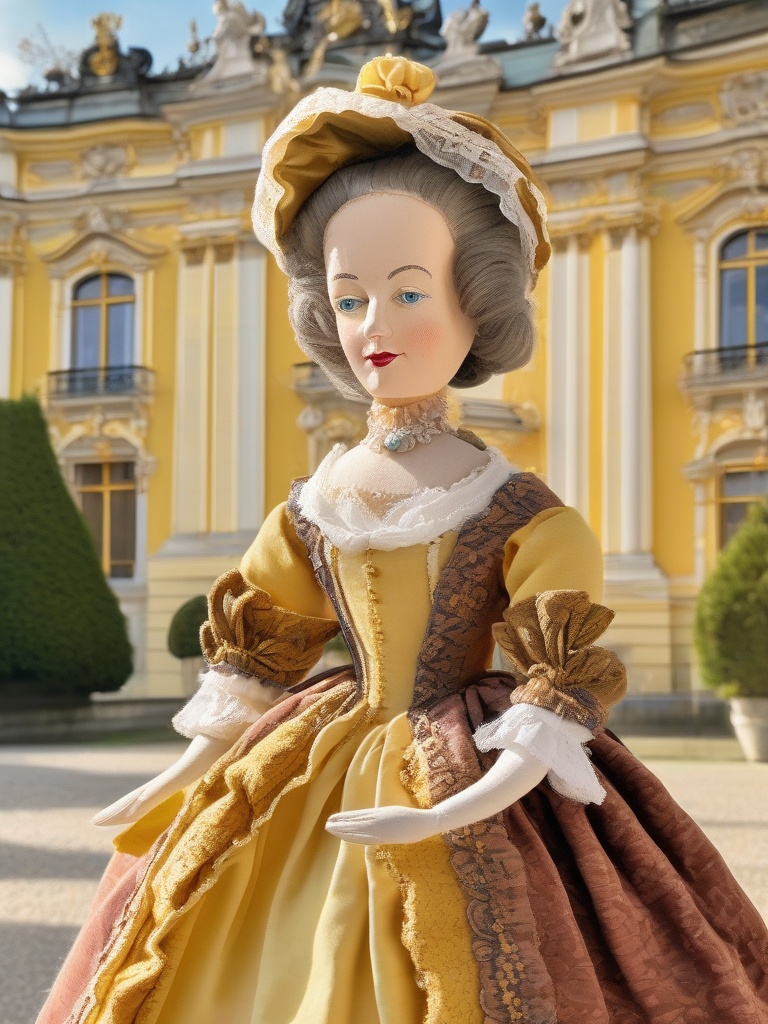
Maria Theresa rebuilt the state across many fields at once — from the classroom to the treasury.
DetailsENShe bore sixteen children; the icons show the ten who reached adulthood — among them the future Marie Antoinette of France.
DetailsENWhen Emperor Charles VI died in 1740 with no son, the Habsburg lands had never been ruled by a woman. He had spent his reign convincing Europe to accept his daughter through the Pragmatic Sanction, but the promises collapsed the moment he was gone. Prussia invaded Silesia and the War of the Austrian Succession began. A twenty-three-year-old woman, newly married and often pregnant, held the monarchy together against far stronger neighbours.
Out of that near-disaster came a generation of reform. With ministers like Haugwitz and Kaunitz she built a standing army, a salaried civil service, a unified internal market and the first real censuses, and she made the nobility pay taxes for the first time. Her boldest stroke was the General School Ordinance of 1774, which required all children aged six to twelve to attend school — a startling idea for its century, even if villages took decades to build the schools.
She was, all the same, an absolute monarch and a devout Catholic whose tolerance had hard limits, especially toward Jews and Protestants. Honest history holds both halves together: the empress who sent children to school and waited at table on the first inoculated children at Schönbrunn was the same ruler who governed without consent and by her own faith's narrow bounds.
Timeline
- 1717born 13 May in Vienna, daughter of Emperor Charles VI
- 1736marries Francis Stephen of Lorraine — sixteen children follow
- 1740succeeds her father; War of the Austrian Succession begins
- 1748war ends — she keeps most of her lands but loses Silesia to Prussia
- 1774decrees compulsory primary schooling across the Habsburg lands
- 1780dies 29 November in Vienna after a 40-year reign
Did you know?
- She backed smallpox inoculation when many feared it, and personally hosted a dinner at Schönbrunn for the first inoculated children, waiting on them herself.DetailsEN
- Her motto was 'Iustitia et Clementia' — by justice and clemency — and she became idealised as the 'Landesmutter', the mother of the country.DetailsEN
- Schönbrunn Palace took its present yellow baroque form under her — she remodelled it from 1743 as the family seat, even inserting extra floors to house her huge family.DetailsEN
Can someone do great good and great harm at once? Maria Theresa opened schools for everyone — and still shut some people out. Real history asks us to hold both.
Values & Capabilities
Capabilities
◆◆◆◆◆ shows how central a gift is — five diamonds mark a signature strength, fewer mark a supporting one.
When her father died in 1740 leaving no son, she became the only female ruler of the Habsburg lands — and defended her inheritance against half of Europe.
In 1774 she ordered compulsory primary schooling for all children across the Habsburg lands — one of the earliest such laws in Europe.
She rebuilt a 'ramshackle' state: a standing army, a professional civil service, taxes on the nobility, a unified internal market and the first censuses.
She championed smallpox inoculation against fierce resistance — and at Schönbrunn personally hosted a dinner for the first inoculated children.
She bore sixteen children and married them across Europe — including her youngest, Maria Antonia, who became Marie Antoinette of France.
Development
1 of 3 stages unlocked
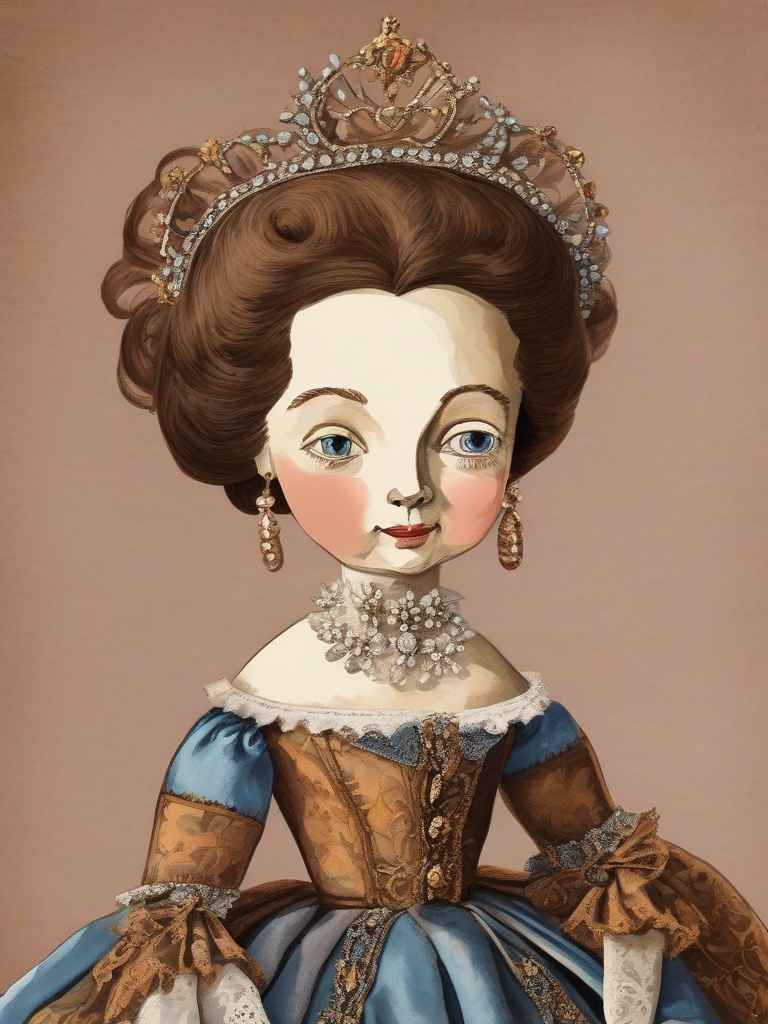
Young Maria Theresa in Vienna, raised to inherit lands no woman had ruled before, under her father's anxious Pragmatic Sanction.
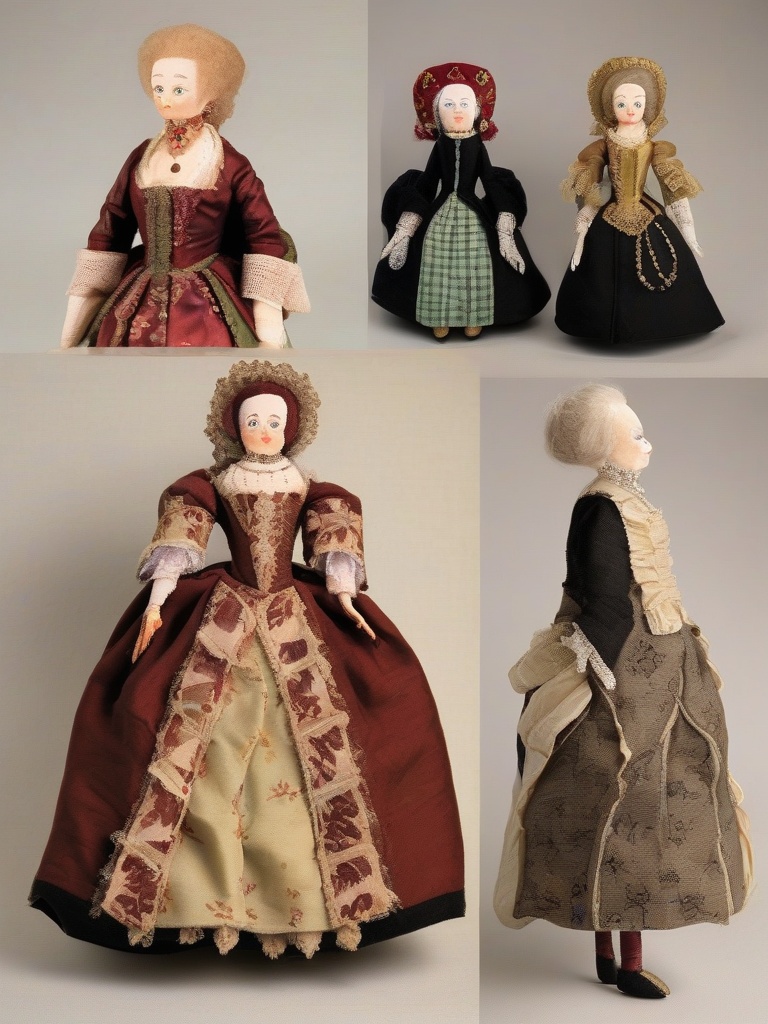
Answer all three to unlock this stage.
Unlock the previous stage first.
Crafting the doll
Garment: crimson-and-gold silk brocade gown over a panniered skirt, an embroidered triangular stomacher, white lace engageantes at the cuffs and a small jewelled diadem; an alternative plain black widow's dress with a white lace cap. Signature attribute: a tiny ABC primer and a feather quill (felt and card). Education card: explains the 1774 law that first sent every child in the Habsburg lands to school — and asks why a powerful ruler can be both a great reformer and intolerant. Sizes Classic 32 / Kidogo 18–20 / Shule 28. Part of proceeds → school-literacy programmes and the conservation of Schönbrunn / Habsburg heritage.
How this doll is made
Make this doll as an 18th-century Habsburg empress in miniature: a structured court gown, rich brocade and lace, with the quiet detail of a schoolbook in her hand.
- Garments 2
- Accessories 4
- Materials 1
- Techniques 1
Garments
- Robe à la française (court gown)Stitch a sack-back court gown whose pleated back hangs free from the shoulders over a fitted front, the formal court dress of her age. Crimson or gold silk reads as imperial.DetailsEN
- Embroidered stomacherAdd a stiff triangular stomacher across the chest, filling the front opening of the gown and giving the square neckline; embroider it with floral motifs.DetailsEN
Accessories
- Lace engageantesTack layered lace ruffles (engageantes) at the cuffs of the half-length sleeves, a signature flourish of the period's court dress.DetailsEN
- Jewelled diadem & pearlsAdd a small jewelled diadem and a string of pearls for the empress; for the older 'widow' look swap in a plain white lace cap instead.DetailsEN
- Black mourning dress (variant)For the later empress, make a plain matte-black gown with a white lace cap and veil — she wore black for years after her husband's death in 1765.DetailsEN
- The little ABC primerMake a tiny open schoolbook from folded card to put in her hand — the emblem of her 1774 law that first sent every child to school.DetailsEN
Materials
- Silk brocade & damaskUse a small-pattern floral brocade or damask in crimson and gold for the body of the gown — the luxurious figured silks of an 18th-century court.DetailsEN
Techniques
- Panniers (side hoops)Shape the skirt over small wire or card side-hoops so it widens at the hips into the broad 1740s–50s court silhouette before falling straight to the hem.DetailsEN
Origin & Ethics
How we know this
On honesty: very well documented (state archives, decrees, court records, Schönbrunn). Homage, not likeness — the doll stylises an 18th-century empress, not a portrait copy. We name the shadow as well as the light: her reforms were real and far-reaching, but she ruled as an absolute monarch and was religiously intolerant, especially toward Jews and Protestants.
Committee: Schönbrunn Palace / Schloß Schönbrunn Kultur- und Betriebsges.m.b.H.; the Weltmuseum Wien & the 'Die Welt der Habsburger' editorial team; Austrian historians of the 18th century. 5-step protocol as standard; portray court dress and dynastic imagery with dignity, and present her absolutism honestly.