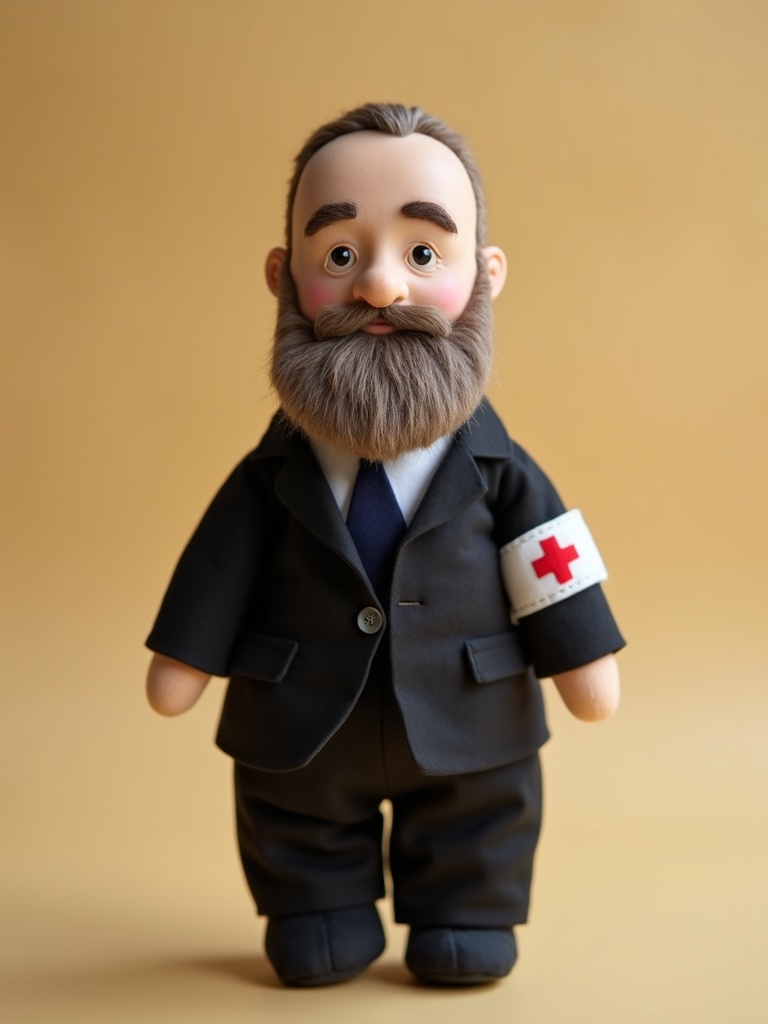
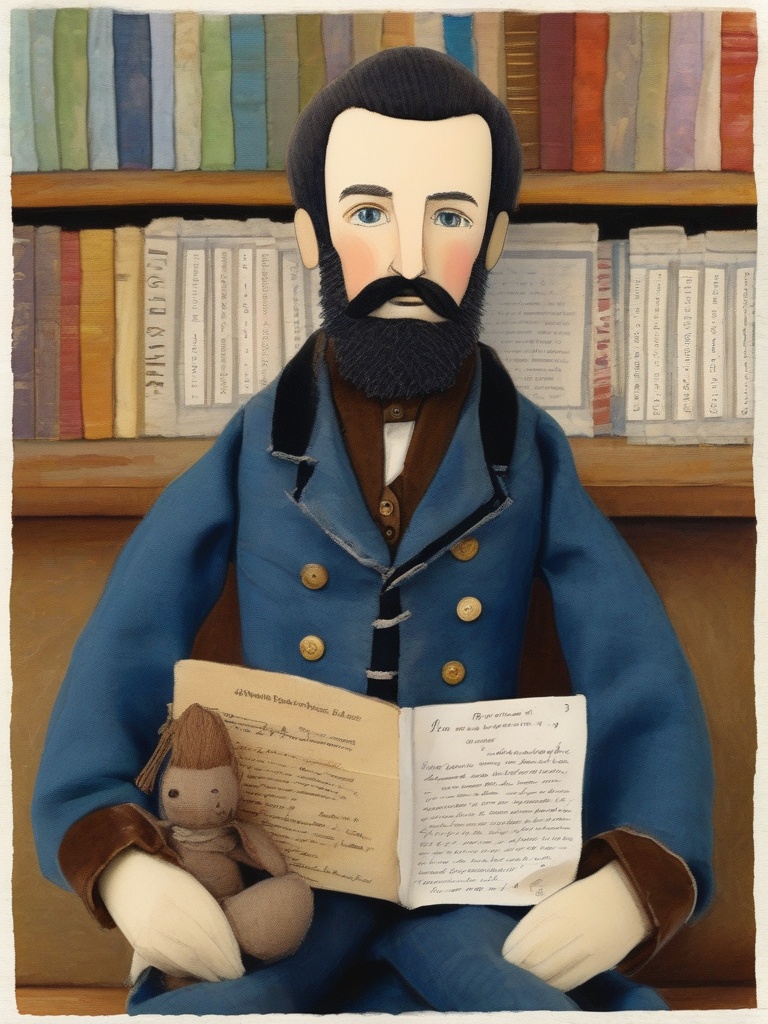
AI design preview — not a photo of the finished handmade doll
Mercy in War & the Red Cross
Henri Dunant
A businessman walked onto a battlefield by accident — and walked off with the idea that became the Red Cross.
- People
- Swiss (Genevan), French-speaking Switzerland
- Country
- Switzerland
- Region
- Central Europe
- Era
- 1828–1910
- Theme
- Mercy in War & the Red Cross
Make your own
Design your Henri Dunant
Pick a garment, a hairstyle and a scene, enter the PIN and generate a fresh image of Henri Dunant with AI.
⚖ AI homage concept — not a likeness of the real person.
Each image is generated live with fal.ai.
Generated images
AI design preview — not a photo of the finished handmade doll
No images generated yet — be the first.
Tradition & Origin
A businessman walked onto a battlefield by accident — and walked off with the idea that became the Red Cross.
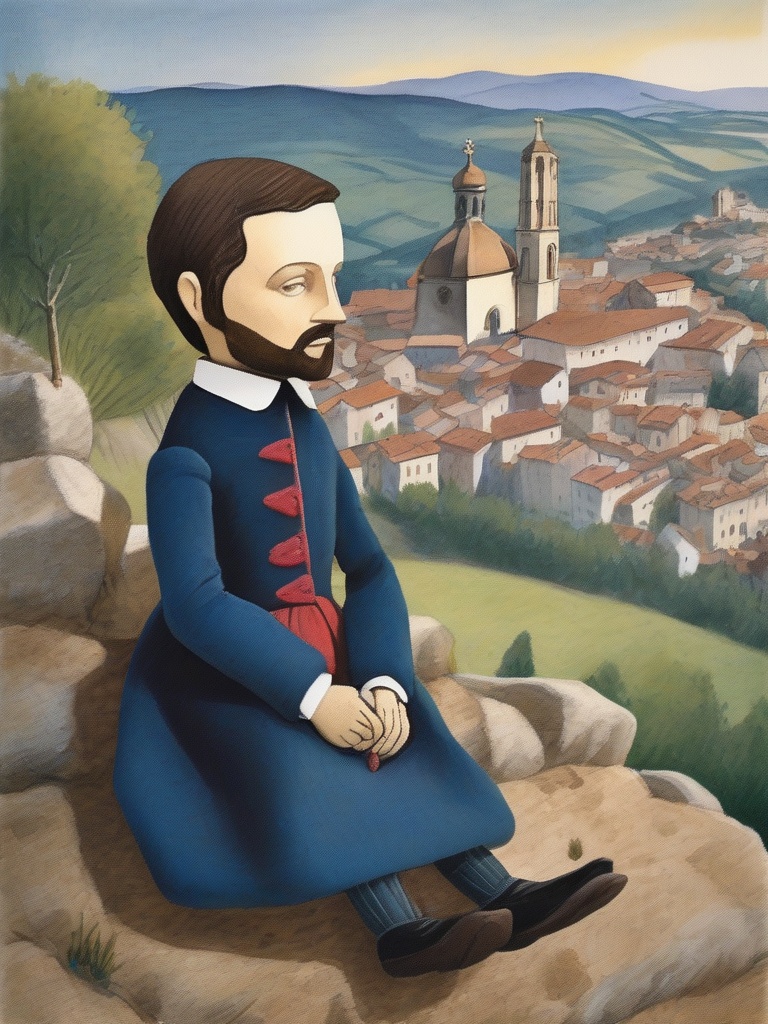
Four years carried Solferino's horror into a binding treaty signed by twelve nations.
DetailsENOn 24 June 1859 the armies of France-Sardinia and Austria fought the colossal Battle of Solferino in Lombardy — about 300,000 troops across a front of some 40 kilometres. By evening the fields were strewn with roughly 40,000 dead and wounded, and the military medical services were hopelessly overwhelmed. Henri Dunant, a 31-year-old Genevan merchant who had only come to petition Napoleon III about a business venture, found himself in the middle of it.
For days he stayed in the church-turned-hospital of nearby Castiglione, organising the local women to wash, bandage and feed the suffering soldiers — French, Italian, Austrian, all the same. Their watchword, tutti fratelli ('all are brothers'), became the moral seed of everything that followed. Unable to forget what he had seen, he wrote A Memory of Solferino (1862) and sent it to the rulers and generals of Europe.
His two proposals — permanent volunteer relief societies, and an international treaty protecting the wounded — were taken up astonishingly fast. A committee of five Genevans formed in 1863, an international conference followed, and in 1864 twelve states signed the first Geneva Convention. Yet Dunant himself went bankrupt in 1867, was pushed out of the movement he founded, and lived in obscurity until a journalist rediscovered him. In 1901 he received the first Nobel Peace Prize ever awarded.
Timeline
- 1828born 8 May in Geneva, Switzerland
- 1859witnesses the Battle of Solferino (24 June) and nurses the wounded
- 1862publishes A Memory of Solferino at his own expense
- 1863joins the Geneva Committee of Five — the future ICRC
- 1864first Geneva Convention signed by 12 states (22 August)
- 1867bankruptcy; expelled and forgotten for decades
- 1901awarded the first-ever Nobel Peace Prize (shared with Frédéric Passy)
Did you know?
- Did you know? The red cross emblem is simply the Swiss flag with its colours reversed — a tribute to neutral Switzerland, not a religious symbol.DetailsEN
- Dunant printed A Memory of Solferino at his own expense and gave copies away to kings, generals and statesmen — a privately published book that rewrote the law of war.DetailsEN
- After founding a worldwide movement, Dunant spent nearly 30 years poor and forgotten before the first Nobel Peace Prize restored his name.DetailsEN
What would you do if you saw someone hurt — and they were on the 'other' side?
Values & Capabilities
Capabilities
◆◆◆◆◆ shows how central a gift is — five diamonds mark a signature strength, fewer mark a supporting one.
On the field of Solferino he gathered villagers to tend the wounded of every army alike, under the words tutti fratelli — all are brothers.
He turned one horror into a plan: A Memory of Solferino asked the world for trained volunteer relief societies and a treaty to protect the wounded.
In February 1863 he joined a committee of five in Geneva that grew into the International Committee of the Red Cross.
His call became a treaty: the first Geneva Convention of 1864, signed by twelve states, made care for the wounded a duty in war.
Ruined by a bankruptcy and forgotten in a poorhouse, he was rediscovered and given the very first Nobel Peace Prize in 1901.
Development
1 of 3 stages unlocked
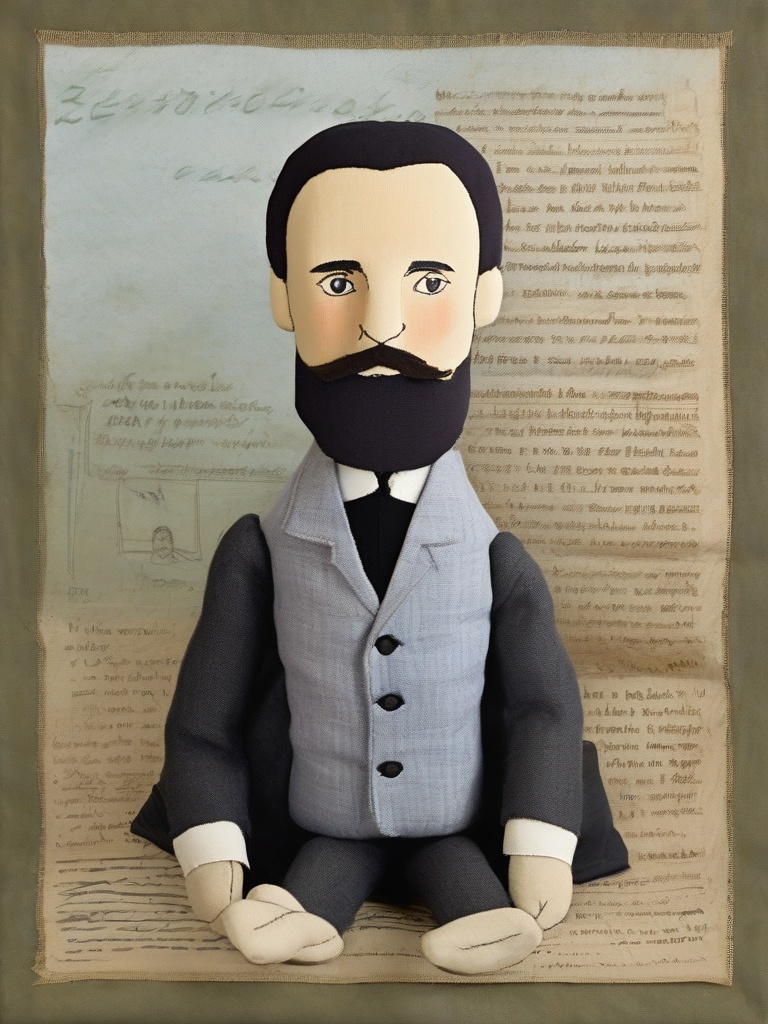
Young Dunant in Geneva, a devout, charitable merchant with grand colonial schemes in Algeria, on his way to petition the Emperor.
Answer all three to unlock this stage.
Unlock the previous stage first.
Crafting the doll
Garment: a sober dark frock coat in fine wool-look cotton, a crisp white shirt and cravat, neutral greys for the later years. Signature attribute: a white linen armband with a single embroidered red cross, plus a tiny cream 'Un Souvenir de Solférino' book (felt). Education card: explains the red cross is a neutral protective emblem — not a flag of any nation or religion — and that the Geneva Conventions still bind armies today. Sizes Classic 32 / Kidogo 18–20 / Shule 28. Proceeds → International Red Cross & Red Crescent humanitarian relief.
How this doll is made
Sew Dunant with the quiet dignity of a 19th-century Genevan and the one detail everyone knows: the red cross on white.
- Garments 2
- Accessories 3
- Materials 1
- Techniques 2
Garments
- Dark frock coatA sober knee-length black or charcoal frock coat over a waistcoat — the formal dress of a respectable 1860s European gentleman. Use a matte wool-look cotton; keep lines clean and undramatic.DetailsEN
- White shirt & cravatA crisp white shirt with a high collar and a knotted dark cravat or stock tie at the throat, in keeping with mid-19th-century menswear.DetailsEN
Accessories
- Red-cross armbandA band of white linen worn on the upper sleeve with a single equal-armed red cross — the original neutral emblem agreed in 1864. Embroider the cross; do not print a trademark.DetailsEN
- The full white beardHis most recognisable feature in old age: a long, soft white beard. Use combed wool roving or boucle yarn, fuller at the chin.DetailsEN
- A Memory of SolferinoA tiny cream-covered book reading 'Un Souvenir de Solférino' (1862) — the testimony that started it all. Make it from stiffened felt with painted lettering.DetailsEN
Materials
- Linen bandage rollA small rolled length of plain white linen — the everyday tool of the battlefield nurse Dunant organised at Castiglione.DetailsEN
Techniques
- Restrained Swiss paletteKeep the doll in black, white, grey and the single bright red of the cross — the sober, neutral look of Geneva, letting the emblem carry all the colour.DetailsEN
- Two ages, one dollOffer a young 'Solferino' version (light suit, sleeves rolled) and an old 'Founder' version (white beard, frock coat) — the same person before and after the idea that changed the world.DetailsEN
Origin & Ethics
How we know this
On honesty: very well documented (his own book, ICRC records, the Nobel archive). Homage, not likeness — the doll stylises Dunant and does not reproduce his face. The protective red-cross emblem is shown as historical heritage, with respect; it is not used to brand or sell the doll.
Committee: International Committee of the Red Cross (ICRC) and the Henry Dunant Museum, Heiden; Swiss historians of humanitarian law; the Nobel institutions. The red-cross emblem is legally protected — depicted here only as historical context, never as a trademark of a product. 5-step protocol as standard.