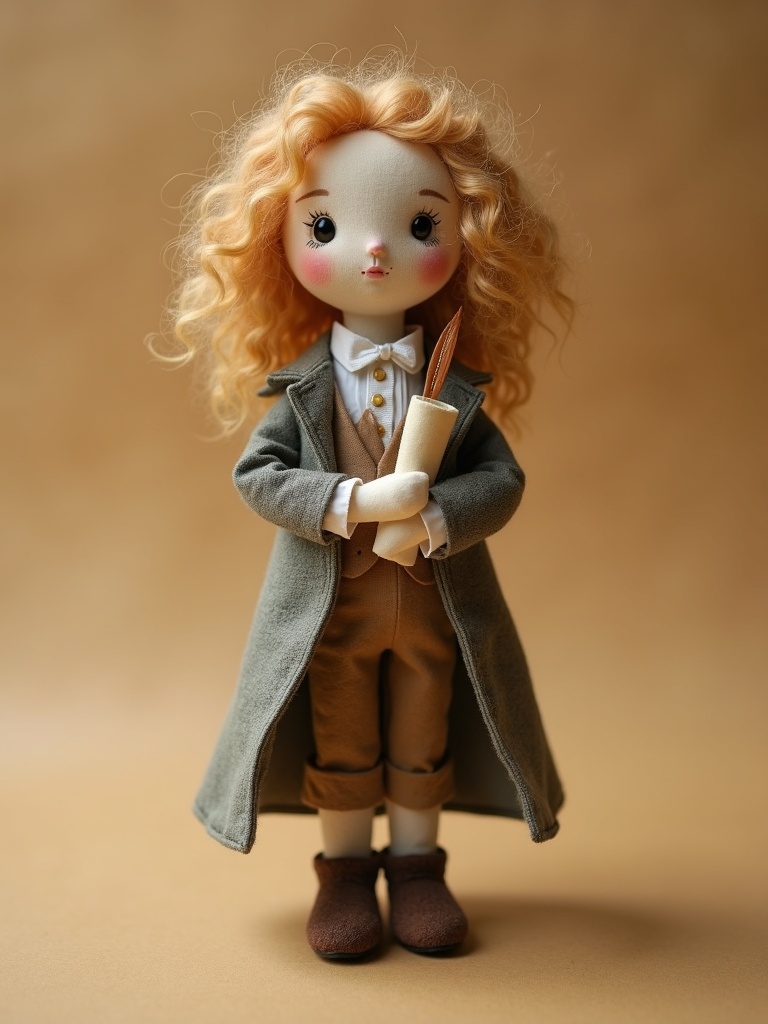
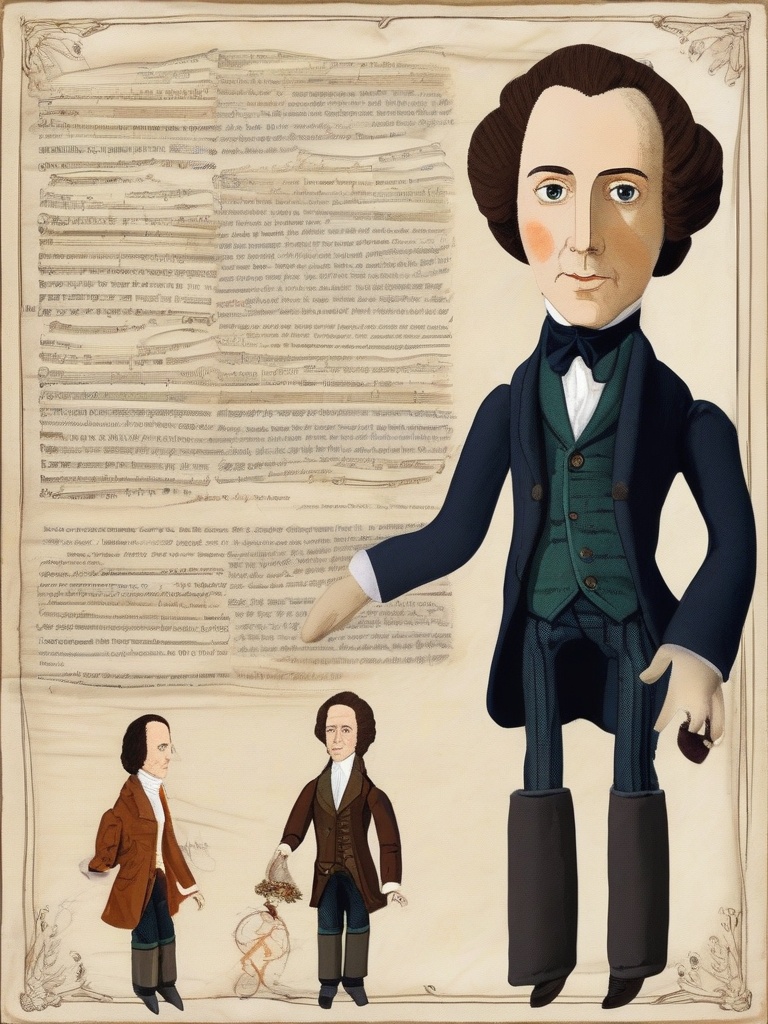
AI design preview — not a photo of the finished handmade doll
Freedom & Human Dignity
Friedrich Schiller
A doctor's son who fled a military academy to write plays — and ended up giving Europe its anthem of joy.
- People
- Swabian German (Württemberg)
- Country
- Germany
- Region
- Central Europe
- Era
- 1759–1805
- Theme
- Freedom & Human Dignity
Make your own
Design your Friedrich Schiller
Pick a garment, a hairstyle and a scene, enter the PIN and generate a fresh image of Friedrich Schiller with AI.
⚖ AI homage concept — not a likeness of the real person.
Each image is generated live with fal.ai.
Generated images
AI design preview — not a photo of the finished handmade doll
No images generated yet — be the first.
Tradition & Origin
A doctor's son who fled a military academy to write plays — and ended up giving Europe its anthem of joy.
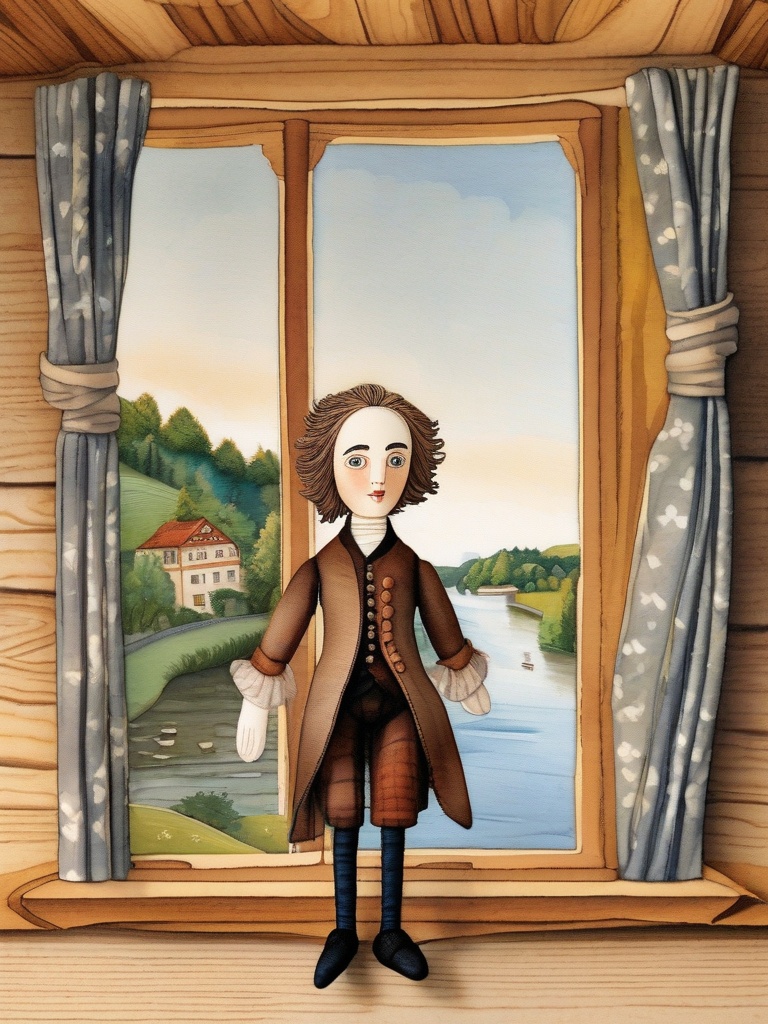
Birth, first play, the Ode, the Goethe friendship, Wilhelm Tell, and death — across 46 years.
DetailsENSchiller was made for medicine and law by a duke who ran a strict academy, the Karlsschule. He obeyed with his body and rebelled with his pen, smuggling out a play, Die Räuber, about young men who turn outlaw against a corrupt world. Its success was so loud — and so unsanctioned — that he ran away from Württemberg rather than stop writing.
He spent years poor and restless before history and philosophy steadied him into a professor at Jena. There his art turned classical and exact, and there, from 1794, he found his great counterpart: Goethe. Their friendship was a workshop of ideas that we now call Weimar Classicism, a short, bright period that shaped German letters for centuries.
In his last decade he poured out the dramas that still define the German stage — the Wallenstein trilogy, Maria Stuart and Wilhelm Tell — every one of them turning over freedom, conscience and the dignity of ordinary people. He died at 45, but a poem of his youth, the Ode to Joy, set by Beethoven, would one day be sung across a whole continent.
Timeline
- 1759born 10 November in Marbach am Neckar, Württemberg
- 1781Die Räuber (The Robbers) published; triumphs in Mannheim, 1782
- 1785writes the poem An die Freude (Ode to Joy)
- 1789appointed professor of history at the University of Jena
- 1794begins his lifelong friendship with Goethe — Weimar Classicism
- 1804 / 1805Wilhelm Tell premieres; dies 9 May 1805 in Weimar
Did you know?
- When his play Die Räuber triumphed in Mannheim, Schiller fled Württemberg without the duke's leave rather than give up writing.DetailsEN
- Whenever you hear the Anthem of Europe, you are hearing Beethoven's music for a poem Schiller wrote in 1785.DetailsEN
- In Wilhelm Tell the dying baron's plea is 'Be one — be one — be one' — freedom, Schiller says, needs unity.DetailsEN
If a poem you write can one day be sung by millions, what would you want it to say?
Values & Capabilities
Capabilities
◆◆◆◆◆ shows how central a gift is — five diamonds mark a signature strength, fewer mark a supporting one.
From the rebel sons of Die Räuber to the Swiss who swear the oath at Rütli in Wilhelm Tell, Schiller put freedom from tyranny at the centre of the German stage.
In Don Carlos the Marquis Posa begs a king, 'Sire, give freedom of thought!' — the first great plea for free conscience on the German stage.
His 'An die Freude' (Ode to Joy, 1785) dreamed of 'alle Menschen werden Brüder' — all people becoming kin. Beethoven set it; the melody is now the Anthem of Europe.
The Wallenstein trilogy, Maria Stuart and Wilhelm Tell gave German theatre dramas that still fill houses two centuries on.
From 1794 his close friendship with Goethe lit the brief golden age of Weimar Classicism — two rivals who made each other greater.
Development
1 of 3 stages unlocked
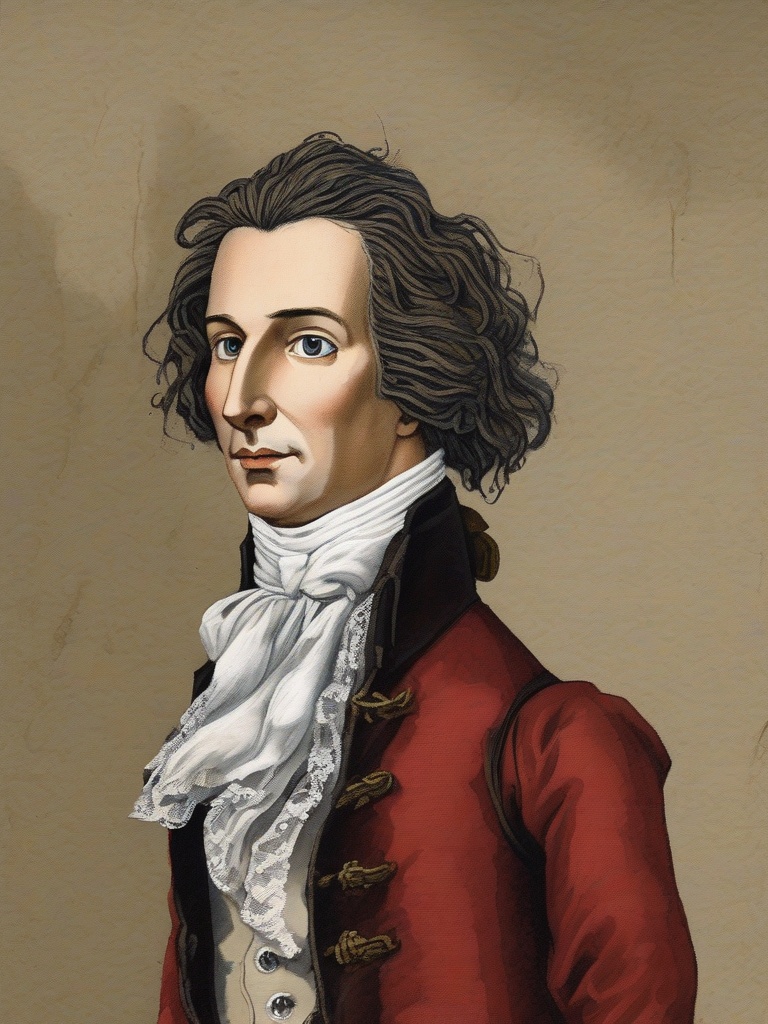
Young Schiller at the strict Karlsschule in Stuttgart, secretly writing Die Räuber by candlelight, longing to be free.
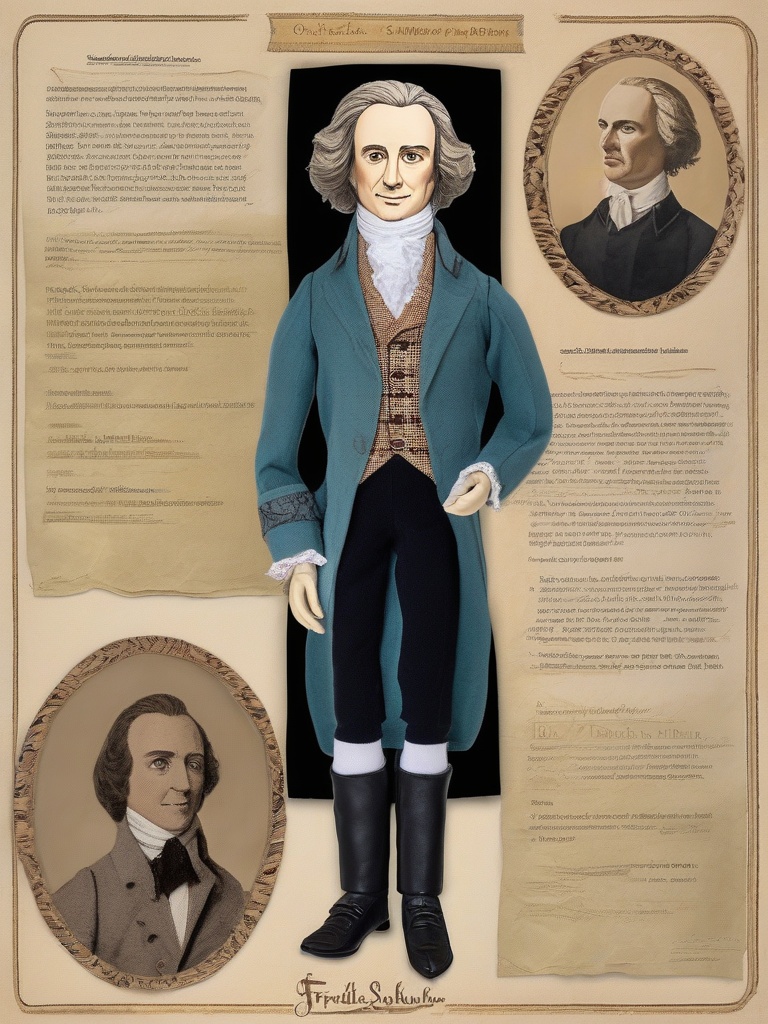
Answer all three to unlock this stage.
Unlock the previous stage first.
Crafting the doll
Garment: wine-red wool tailcoat and long waistcoat over a white linen shirt with a high tied cravat (stock), dark breeches and felt buckled shoes; hair tied back in a queue. Signature attribute: a tiny goose-quill, an inkwell and a stitched manuscript page reading 'Freude, schöner Götterfunken' (felt and embroidery). Education card: explains that Schiller's 'Ode to Joy' is the melody of the Anthem of Europe and that 'Give freedom of thought!' is one of theatre's great cries for free conscience. Sizes Classic 32 / Kidogo 18–20 / Shule 28. Part of proceeds → Deutsches Literaturarchiv Marbach / Schiller-Nationalmuseum literary heritage.
How this doll is made
Make this doll as a dignified late-18th-century man of letters — wool coat, white cravat, quill and manuscript.
- Garments 3
- Accessories 3
- Materials 1
- Techniques 1
Garments
- Wine-red wool tailcoatA late-1700s cutaway tailcoat over a long waistcoat, in deep wine-red wool with covered buttons — the formal coat of a gentleman of Schiller's era, kept simple and elegant.DetailsEN
- High white cravat (stock)A long strip of fine white linen wound high around the neck and tied at the throat — the cravat that defines the silhouette of the period and frames the face with dignity.DetailsEN
- Breeches & buckled shoesKnee-length dark breeches with felt buckled shoes and pale hose, the everyday lower dress of a Weimar man of letters around 1800.DetailsEN
Accessories
- Goose-quill & inkwellA tiny goose-feather quill and a small inkwell stitched in felt — the working tools of a dramatist who wrote by hand and by candle.DetailsEN
- Ode-to-Joy manuscript pageA folded miniature manuscript page embroidered with the opening words 'Freude, schöner Götterfunken' in an old hand — a direct tie to his most famous poem.DetailsEN
- Laurel sprigA small stitched laurel sprig, the classical token of poetry and honour fitting for a Weimar Classicist.DetailsEN
Materials
- Wool, linen & feltUse wool for the coat, fine white linen/cotton for shirt and cravat, and felt for the small props and shoes — natural fibres true to the late 18th century.DetailsEN
Techniques
- Tied-back queue hairStitch the hair tied back in a low queue (ponytail) in the men's fashion of the day, framing a calm, thoughtful face rather than copying any single portrait.DetailsEN
Origin & Ethics
How we know this
On honesty: very well documented (manuscripts, letters and his estate at Marbach and Weimar). Homage, not likeness — the doll stylises Schiller and does not copy a specific portrait; the famous lines are quoted as documented, but his plays dramatise history (e.g. Wilhelm Tell is a literary legend, not a verified eyewitness record).
Committee: Deutsches Literaturarchiv Marbach & Schiller-Nationalmuseum; Goethe- und Schiller-Archiv / Klassik Stiftung Weimar; German-literature scholars (Germanistik). 5-step protocol as standard; period costume kept dignified, not caricatured.