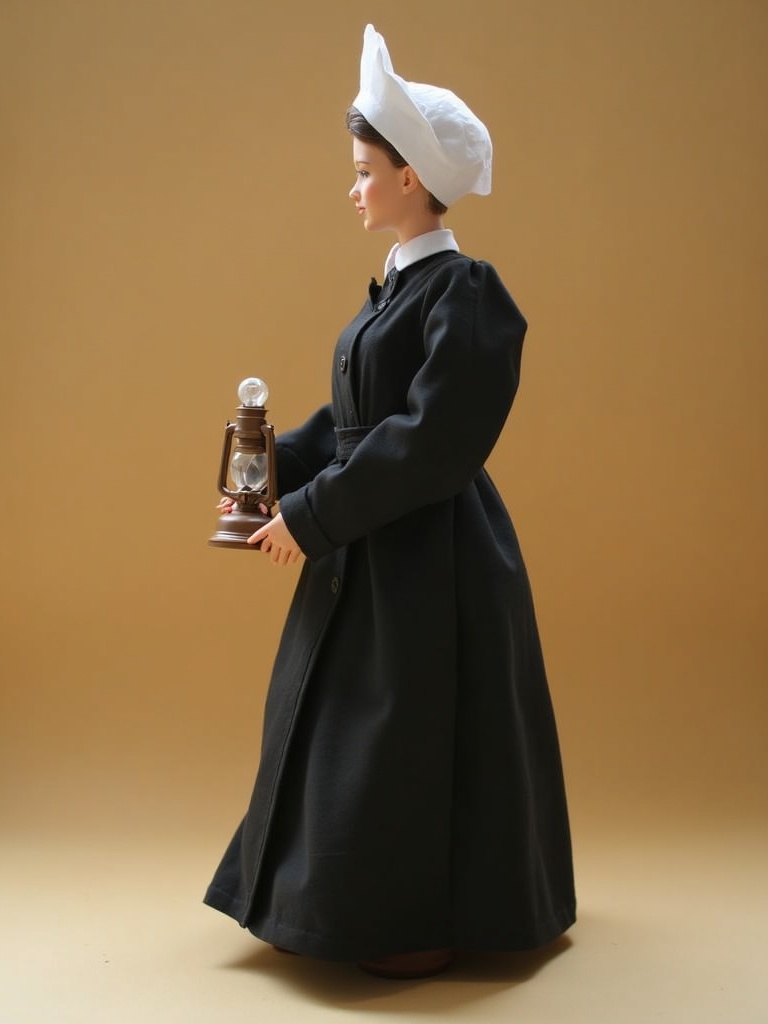
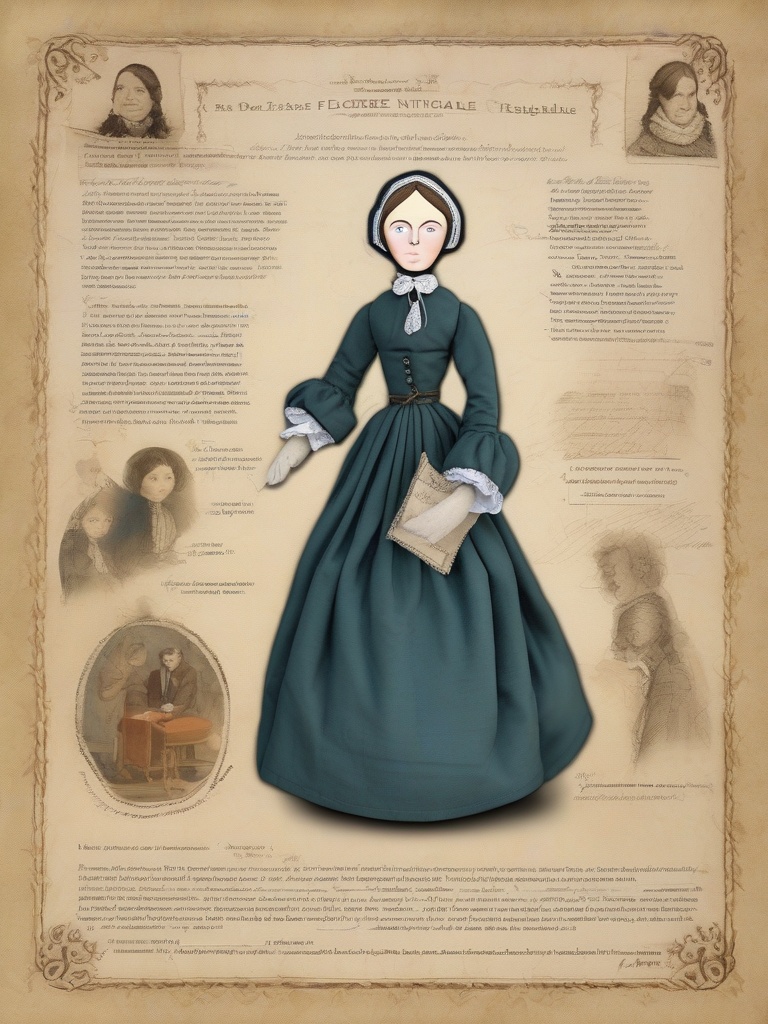
AI design preview — not a photo of the finished handmade doll
Nursing & Data for Life
Florence Nightingale
A Victorian gentlewoman became the world's most famous nurse — and one of its first great data scientists.
- People
- English
- Country
- United Kingdom
- Region
- British Isles
- Era
- 1820–1910
- Theme
- Nursing & Data for Life
Make your own
Design your Florence Nightingale
Pick a garment, a hairstyle and a scene, enter the PIN and generate a fresh image of Florence Nightingale with AI.
⚖ AI homage concept — not a likeness of the real person.
Each image is generated live with fal.ai.
Generated images
AI design preview — not a photo of the finished handmade doll
No images generated yet — be the first.
Tradition & Origin
A Victorian gentlewoman became the world's most famous nurse — and one of its first great data scientists.
- Preventable disease 75
- Wounds 15
- Other causes 10
Her 1858 polar-area chart split deaths into preventable disease (blue), wounds (red) and other causes (grey). Far more died of disease than of battle — an illustrative split echoing her diagram.
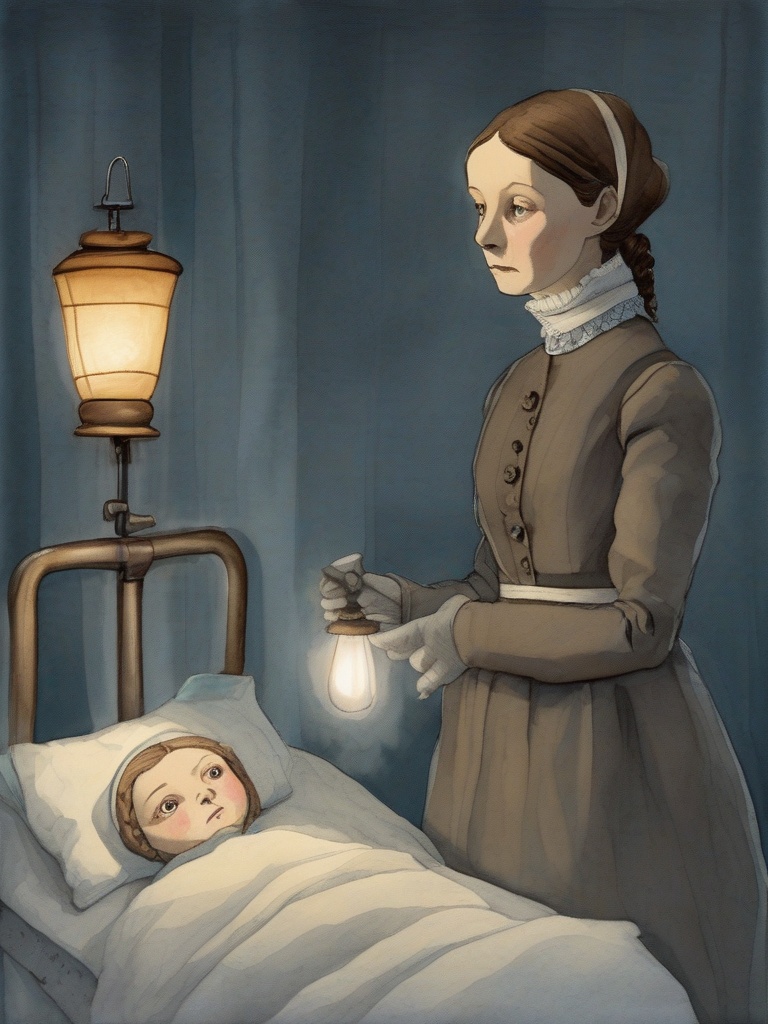
DetailsENFlorence Nightingale was born in 1820 into comfort and expectation, but felt called to nursing at a time when it carried little respect. When the Crimean War filled the Scutari hospital with dying soldiers in 1854, she arrived with a team of nurses and a fierce eye for order: clean linen, fresh air, decent food, ventilation. Walking the wards by night with her lamp, she became a legend — but the lamp is only half the story.
Returning to Britain, she set out to prove a hard truth: most of the soldiers had not died of battle wounds but of preventable disease. Tables of figures bored officials, so she drew them. Her 1858 polar-area diagram split each year into twelve wedges, one per month, the area of each wedge showing the deaths — blue for disease, red for wounds, grey for everything else. The blue dwarfed the rest. People who could not read statistics could not look away from the picture.
She spent the rest of a long, often bedridden life turning that evidence into reform: a training school that made nursing a profession, sanitary improvements for the British army in India, and the bestselling Notes on Nursing. She was the first woman elected to the Statistical Society. Care and counting, lamp and ledger, were never separate for her.
Timeline
- 1820born in Florence, Italy, to a wealthy English family
- 1853becomes superintendent of a London hospital for gentlewomen
- 1854leads 38 nurses to the Scutari hospital in the Crimean War
- 1858publishes her polar-area 'rose' diagram; elected to the Statistical Society
- 1860opens the Nightingale Training School at St Thomas' Hospital
- 1910dies in London, aged 90
Did you know?
- She was named after Florence, the Italian city where she was born in 1820.DetailsEN
- She called a set of her famous charts a 'coxcomb' — today we call this kind of chart a polar-area or Nightingale rose diagram.DetailsEN
- Her diagram was sent to Queen Victoria in 1858 to argue for army health reform.DetailsEN
She didn't just feel that things were wrong — she counted, and drew a picture so everyone could see it too. What truth could you show with a chart?
Values & Capabilities
Capabilities
◆◆◆◆◆ shows how central a gift is — five diamonds mark a signature strength, fewer mark a supporting one.
At the Scutari military hospital she walked the wards at night with a lamp, the one watchful presence beside thousands of suffering soldiers.
Her famous polar-area 'rose' diagram showed at a glance that far more soldiers died of preventable disease than of wounds — a picture that changed minds in Parliament.
She turned nursing from an unregulated job into a trained, respected profession with her school at St Thomas' Hospital.
Clean water, fresh air, ventilation and hygiene — she fought for the unglamorous things that quietly stop epidemics, in Britain and in India.
Bedridden for much of her later life, she still wrote, calculated and campaigned for half a century, refusing fear and refusing excuses.
Development
1 of 3 stages unlocked
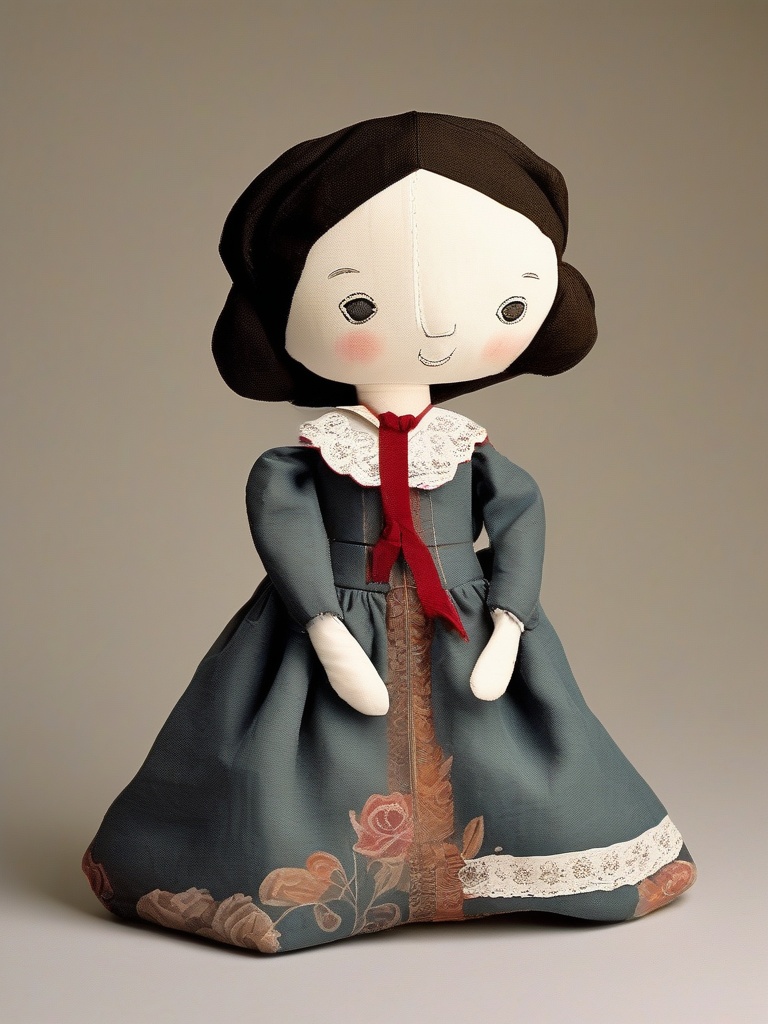
A privileged young Englishwoman who feels 'called' to nurse, against a family that expects her to marry well.
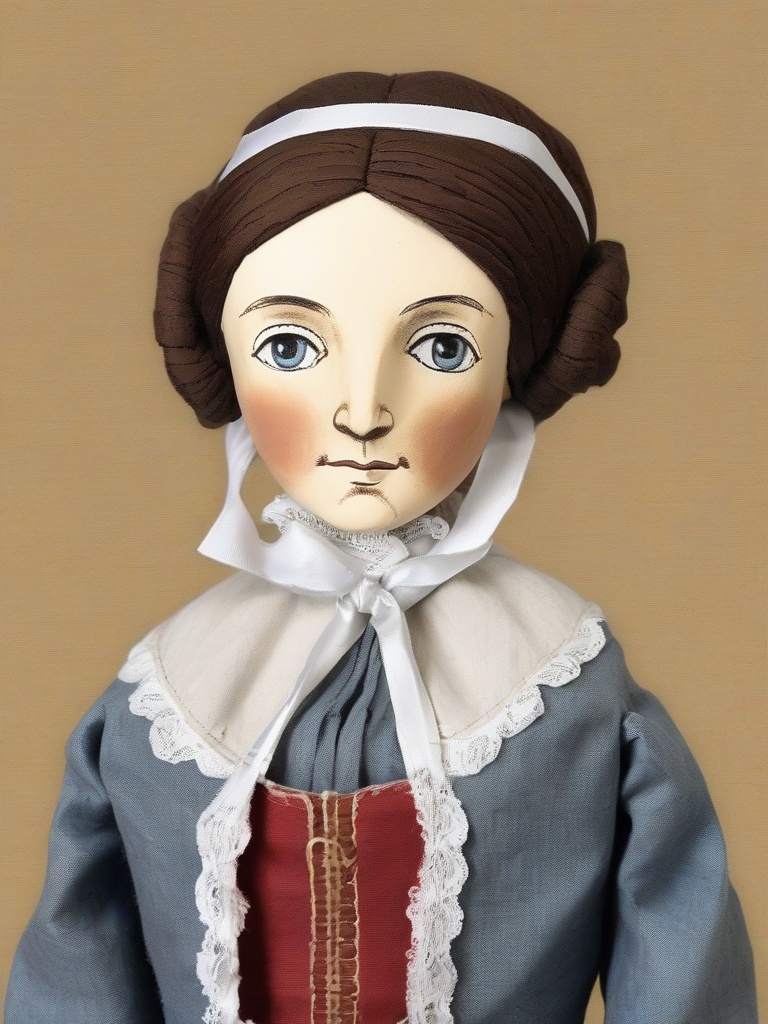
Answer all three to unlock this stage.
Unlock the previous stage first.
Crafting the doll
Garment: plain long dark dress in cotton/wool (navy or charcoal), crisp white cotton apron and cap, a wrap shawl in grey-blue. Signature attribute: a tiny brass-look oil lamp with a warm felt 'flame', and a little felt rose-diagram card (blue/red/grey wedges). Education card: explains the 'Lady with the Lamp', and how her coloured chart proved that disease, not wounds, killed most soldiers. Sizes Classic 32 / Kidogo 18–20 / Shule 28. Part of proceeds → nursing education and public-health charities.
How this doll is made
Make her honestly as a working Victorian nurse-reformer: plain dark dress and white apron, a glowing lamp, and a tiny version of her own famous chart.
- Garments 2
- Accessories 3
- Materials 1
- Techniques 2
Garments
- Victorian nurse's dressA plain, long, dark dress with a high collar and long sleeves in cotton or wool — the modest, practical uniform that early professional nurses wore.DetailsEN
- White apron and capA crisp white cotton apron over the dress and a simple white cap, signalling cleanliness — the value she fought hardest for.DetailsEN
Accessories
- The lamp (fanoos)A small Turkish-style folding oil lantern with a warm felt 'flame' — the lamp she carried at Scutari is the relic that made her the 'Lady with the Lamp'.DetailsEN
- Felt rose-diagram cardA tiny stitched-felt polar-area chart with blue, red and grey wedges, recreating her Diagram of the Causes of Mortality in the Army in the East.DetailsEN
- Notes on Nursing bookletA miniature cloth book to represent her 1859 bestseller that turned nursing into a teachable, respected discipline.DetailsEN
Materials
- Sober Victorian paletteNavy or charcoal for the dress, clean white for apron and cap, a touch of warm brass and amber for the lamp — period-true and dignified.DetailsEN
Techniques
- Centre-parted hairDark hair smoothed and parted in the centre, sometimes under a small cap — the standard tidy hairstyle of a mid-Victorian woman.DetailsEN
- Warm lamp lightingPhotograph or display the doll with a single warm light source low and close, so the lamp seems to glow — evoking the night ward.DetailsEN
Origin & Ethics
How we know this
On honesty: very well documented (her letters, reports, published diagrams, the surviving lamp and museum collections). Homage, not likeness; the romantic 'Lady with the Lamp' image is real but simplified — her deepest impact was as a tireless statistician and sanitation reformer working for decades from her sickroom, which the doll honours alongside the lamp.
Committee: Florence Nightingale Museum (London); the Royal College of Nursing; medical historians and the Royal Statistical Society; UK heritage bodies. 5-step protocol as standard; nurse's dress depicted respectfully, homage not exact likeness.