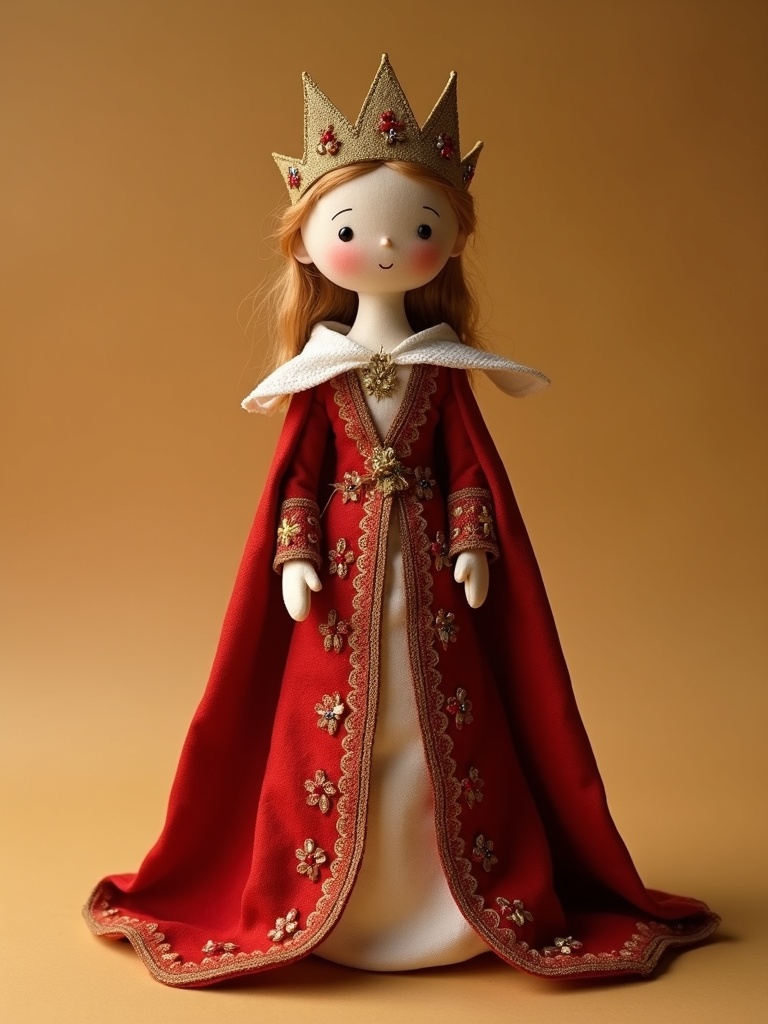
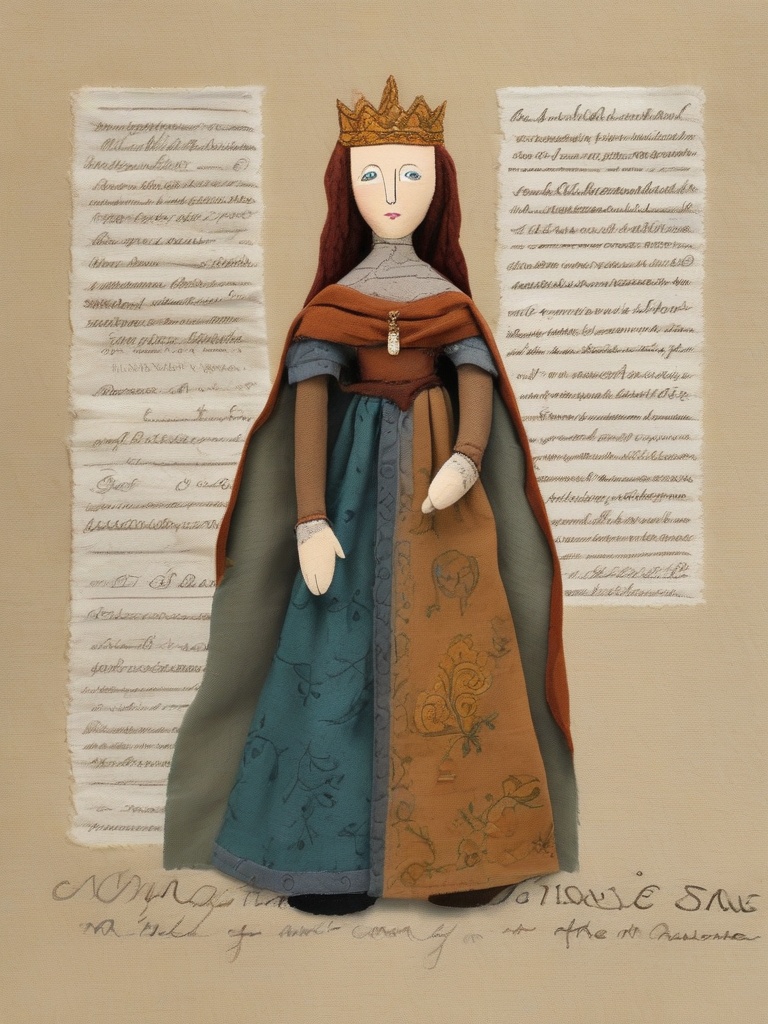
AI design preview — not a photo of the finished handmade doll
Power, Patronage & Endurance
Eleanor of Aquitaine
She was Duchess of Aquitaine in her own right, Queen of France, then Queen of England — and her greatest power came after a long imprisonment, in old age.
- People
- Aquitanian French (Poitevin)
- Country
- France
- Region
- Western Europe
- Era
- c.1122–1204
- Theme
- Power, Patronage & Endurance
Make your own
Design your Eleanor of Aquitaine
Pick a garment, a hairstyle and a scene, enter the PIN and generate a fresh image of Eleanor of Aquitaine with AI.
⚖ AI homage concept — not a likeness of the real person.
Each image is generated live with fal.ai.
Generated images
AI design preview — not a photo of the finished handmade doll
No images generated yet — be the first.
Tradition & Origin
She was Duchess of Aquitaine in her own right, Queen of France, then Queen of England — and her greatest power came after a long imprisonment, in old age.
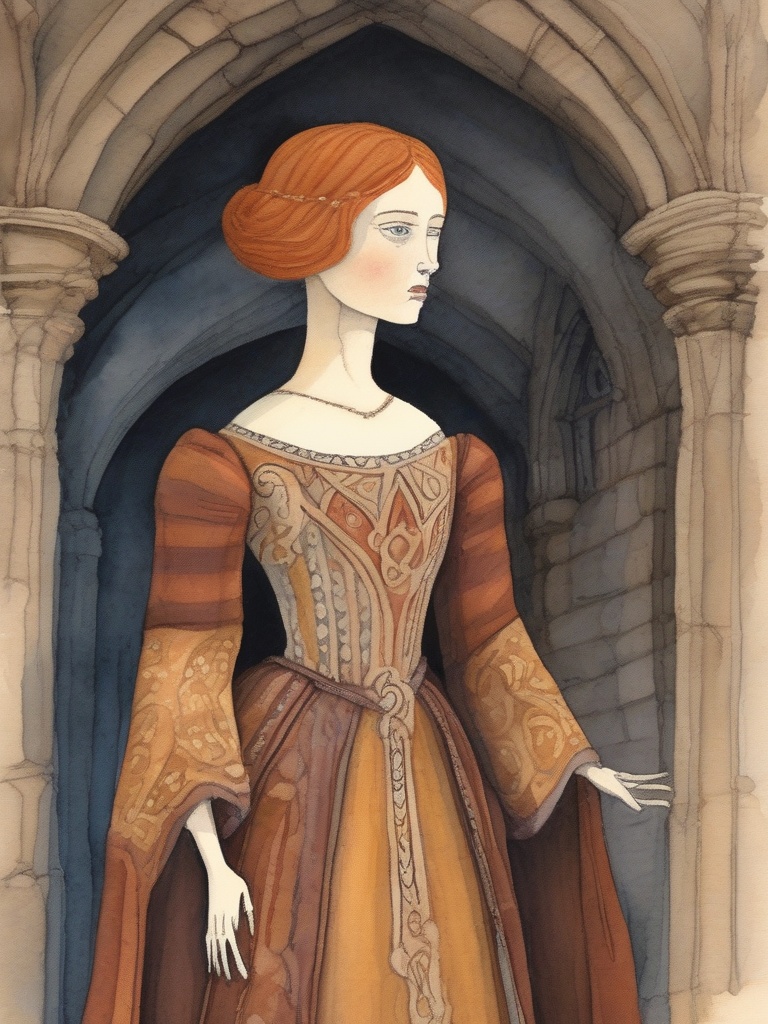
Duchess of Aquitaine, Queen of France, Queen of England, then sixteen years a prisoner — and most powerful of all at the end.
DetailsENEleanor was born around 1122 into the brilliant, song-filled world of southern France. When her father died in 1137 she inherited Aquitaine — a duchy reaching from the Loire toward the Pyrenees, larger than the lands of the French king himself — making the teenage girl one of the richest and most sought-after heiresses in Europe.
Within months she was married to the heir to France, Louis VII, and crowned queen. She rode with him on the gruelling Second Crusade, but the marriage soured and was annulled in 1152 on grounds of kinship. Only weeks later she married Henry of Anjou, who in 1154 became Henry II of England. With him she had eight more children and helped govern a vast Angevin realm spanning England and western France.
Her later years are the most astonishing. After she supported her sons' rebellion in 1173, Henry held her prisoner for some sixteen years. Yet on his death in 1189 she was freed and stepped fully into power: while Richard the Lionheart crusaded and was then held captive in Germany, Eleanor ruled in his place and raised the colossal ransom that bought his freedom. She lived to about eighty-two, dying at Fontevraud Abbey in 1204, where her tomb effigy shows her serenely reading a book.
Timeline
- c.1122born, daughter of Duke William X of Aquitaine
- 1137inherits Aquitaine; marries Louis VII, becomes Queen of France
- 1147–1149rides on the Second Crusade
- 1152marriage annulled; weeks later marries Henry of Anjou
- 1154Henry crowned Henry II; Eleanor becomes Queen of England
- 1173–1189imprisoned after her sons' revolt
- 1189–1194regent for Richard I; raises his ransom
- 1204dies at Fontevraud Abbey, aged about 82
Did you know?
- Did you know? Eleanor was Duchess of Aquitaine in her own right — her duchy was larger than the territory directly controlled by the King of France.DetailsEN
- Her painted tomb effigy at Fontevraud Abbey shows her holding an open book — one of the earliest royal effigies to depict a woman reading.DetailsEN
- She wore the bliaut, a 12th-century gown with a laced bodice and long trailing sleeves — the same courtly dress shown on her royal seal.DetailsEN
Sometimes the strongest part of a life is the part that comes after the hardest part.
Values & Capabilities
Capabilities
◆◆◆◆◆ shows how central a gift is — five diamonds mark a signature strength, fewer mark a supporting one.
Duchess of Aquitaine in her own right, then Queen of France and afterwards Queen of England — she wore two crowns and ruled in her own name throughout.
While her son Richard the Lionheart was away on crusade and held captive in Germany, Eleanor governed the Angevin lands and raised his vast ransom herself.
After backing her sons' revolt she was imprisoned by Henry II for some sixteen years — yet emerged at nearly seventy to rule more powerfully than ever.
At her court the troubadour songs of her native Occitan south found a home, and writers dedicated their works to her — the world of courtly love grew up around her circle.
She outlived two husbands and most of her ten children, and at over eighty still rode to arrange the marriages that secured peace between England and France.
Development
1 of 3 stages unlocked
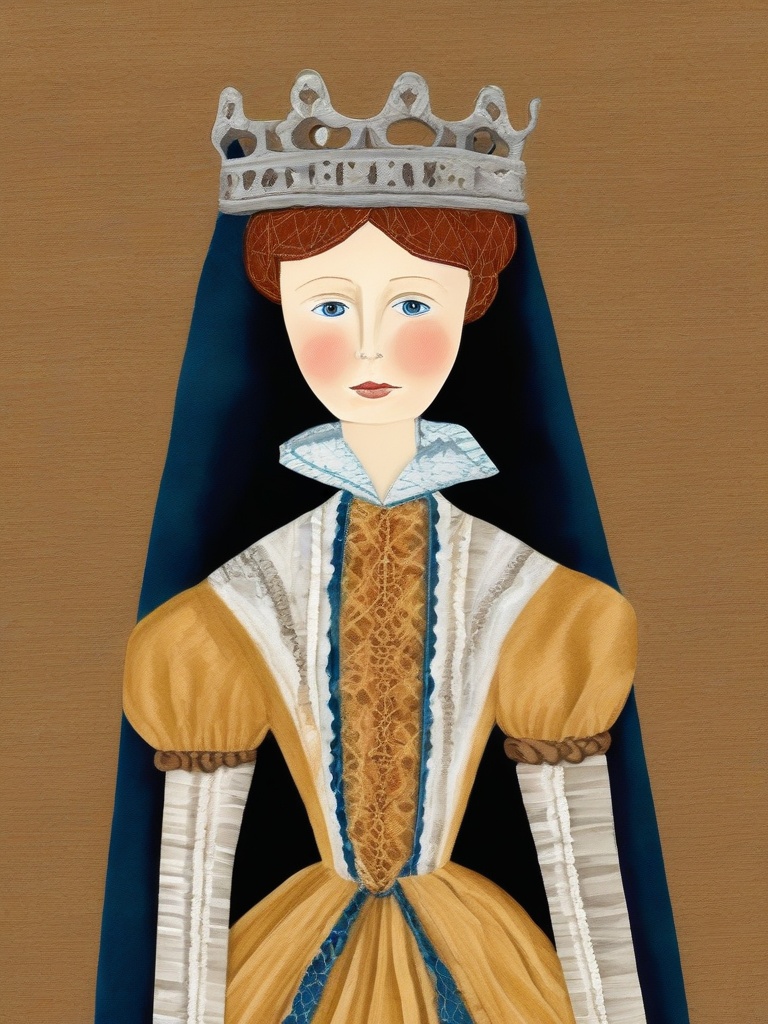
Young Eleanor inheriting Aquitaine at fifteen (1137), the richest heiress in Europe, raised among the songs of the troubadours.
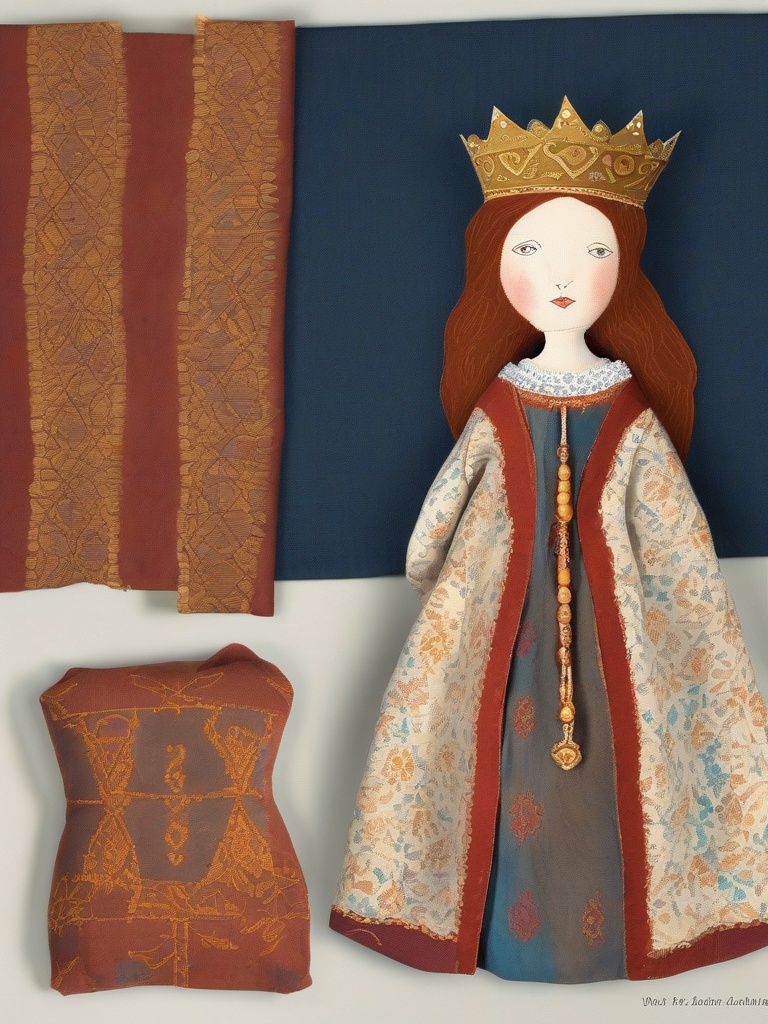
Answer all three to unlock this stage.
Unlock the previous stage first.
Crafting the doll
Garment: a 12th-century bliaut in wine-red wool/cotton with a laced bodice and long pendant sleeves, a gold-corded girdle, a fine linen veil and a slender gold-tone circlet (child-safe, firmly sewn). Signature attribute: a tiny open book (echoing her Fontevraud effigy) and a small charter with a wax seal. Education card: explains that Eleanor was Duchess of Aquitaine in her own right and Queen of both France and England, imprisoned for sixteen years yet most powerful in old age. Sizes Classic 32 / Kidogo 18–20 / Shule 28. Part of proceeds → European medieval heritage / Fontevraud Abbey conservation.
How this doll is made
Made authentically from documented 12th-century courtly dress, her royal seals and her tomb effigy at Fontevraud.
- Garments 2
- Accessories 4
- Materials 1
- Techniques 1
Garments
- The bliaut gownA fitted 12th-century overgown with a laced bodice (cors) and a pleated skirt, the signature dress of noblewomen of Eleanor's time. Stitch it in wine-red.DetailsEN
- Pendant sleevesSleeves that fit closely from shoulder to elbow, then widen dramatically and trail toward the floor — the most recognisable feature of the courtly bliaut.DetailsEN
Accessories
- The long girdleA long cord or woven girdle wound around the waist and abdomen and knotted to hang down the front, as worn over the bliaut.DetailsEN
- Veil and circletA fine linen veil held by a slender metal circlet or fillet at the brow — the modest, dignified head-dress of a noblewoman of her rank.DetailsEN
- The open bookA tiny open book pressed to her breast, copying her famous painted tomb effigy at Fontevraud where she is shown reading.DetailsEN
- Charter and sealA small rolled parchment with a round wax seal, recalling the many charters Eleanor issued as duchess and as queen.DetailsEN
Materials
- Wool, linen and silkMedieval courtly garments were made of woollens, linens and silks; fine wool or silk was prized because it held dye and rich colour best.DetailsEN
Techniques
- Seal-accurate silhouetteModel the doll's pose and dress on Eleanor's surviving royal seal, which shows her standing in the bliaut — keeping the homage faithful, not invented.DetailsEN
Origin & Ethics
How we know this
On honesty: very well documented as a major historical figure, though primary sources are uneven and no contemporary biography survives. Homage, not likeness — the doll stylises a 12th-century noblewoman from her seals and tomb effigy; the famous "Courts of Love" at Poitiers are partly legend and are presented as a debated tradition, not settled fact.
Committee: French and English medieval historians; Fontevraud Abbey / Centre culturel de rencontre; museums of medieval art (e.g. Cluny, the Met's medieval collection). 5-step protocol as standard; the bliaut and circlet are based on documented 12th-century courtly dress and her seals and tomb effigy.