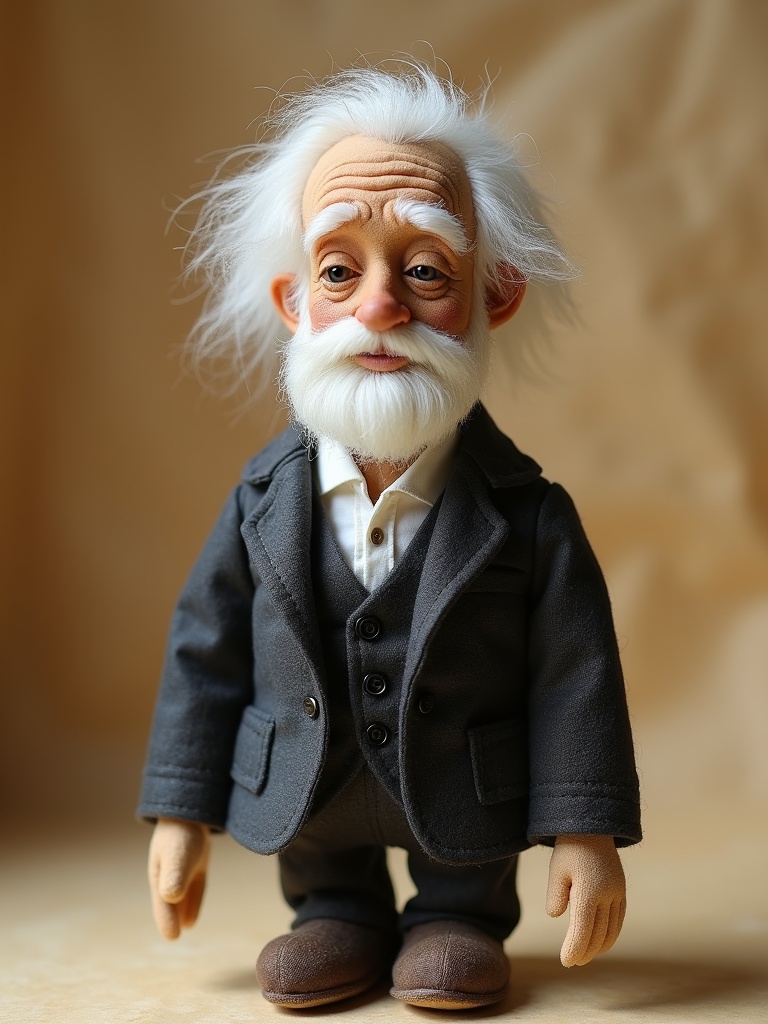
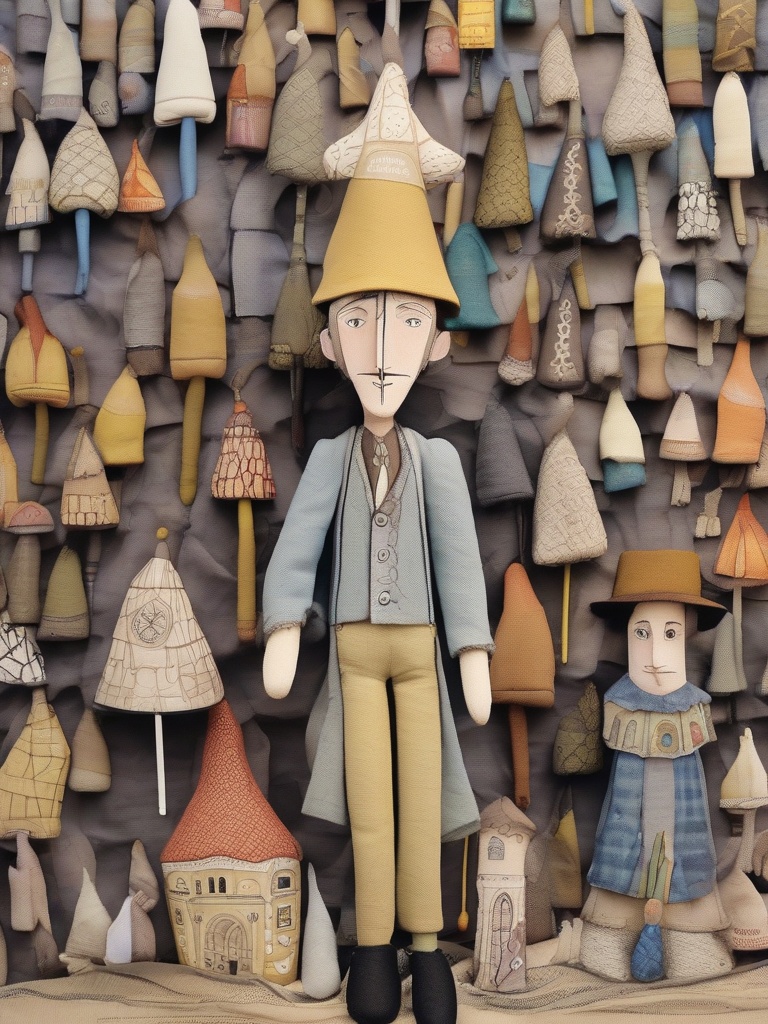
AI design preview — not a photo of the finished handmade doll
Nature & Sacred Building
Antoni Gaudí
A sickly boy who studied snails and leaves grew up to grow buildings the way nature grows a tree.
- People
- Catalan (Spain)
- Country
- Spain
- Region
- Southern Europe
- Era
- 1852–1926
- Theme
- Nature & Sacred Building
Make your own
Design your Antoni Gaudí
Pick a garment, a hairstyle and a scene, enter the PIN and generate a fresh image of Antoni Gaudí with AI.
⚖ AI homage concept — not a likeness of the real person.
Each image is generated live with fal.ai.
Generated images
AI design preview — not a photo of the finished handmade doll
No images generated yet — be the first.
Tradition & Origin
A sickly boy who studied snails and leaves grew up to grow buildings the way nature grows a tree.
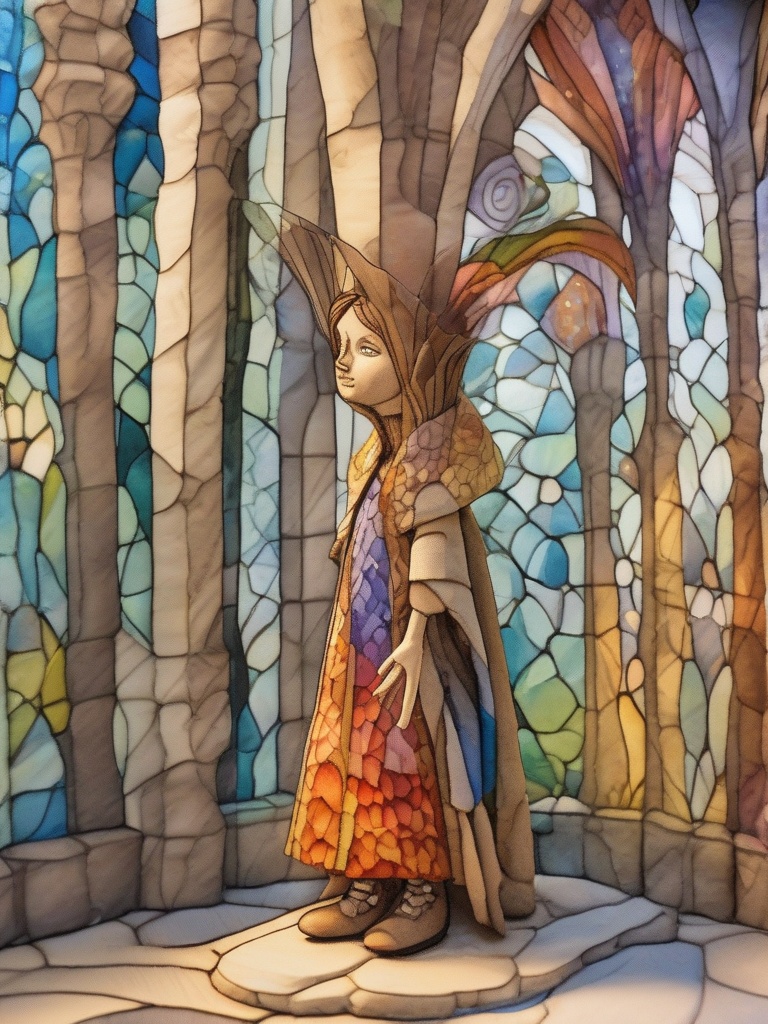
Gaudí weighted hanging chains to find the strongest curve (the catenary), then flipped it upside down into stone — load-bearing form copied straight from gravity.
DetailsENAntoni Gaudí was born in 1852 in the countryside near Reus, in Catalonia. Rheumatism kept him from playing like other children, so he watched: the spiral of a shell, the branching of a tree, the way light fell across his father's farmyard. He came to believe that nature was the supreme work of the Creator and therefore the only teacher an architect truly needed. Where others copied Greek temples or Gothic cathedrals, Gaudí copied bones, leaves, honeycombs and hanging ropes.
From that conviction came a wholly new architecture. To find the strongest possible arches he hung chains weighted with little bags from the ceiling and traced the curves they made — the catenary — then flipped the drawing upside down to get a structure that stands almost without buttresses. He filled his buildings with hyperboloids and hyperbolic paraboloids, ruled surfaces that appear in stalks and shells. And he sheathed roofs and benches in trencadís: glittering mosaic pieced from smashed, leftover tiles, beauty rescued from rubble.
His life's work was the Sagrada Família, which he took over in 1883 at the age of 31 and served for over forty years, the last twelve completely, living near the site like a pilgrim. On 10 June 1926 he was struck by a tram; shabbily dressed, he was mistaken for a beggar and taken to a pauper's ward. He died days later, the church far from finished. A century on, in February 2026, its central tower of Jesus finally reached its full 172.5 metres — kept deliberately just below Barcelona's Montjuïc hill, because Gaudí felt no human work should rise above God's.
Timeline
- 1852born 25 June near Reus, Catalonia, Spain
- 1878graduates as an architect in Barcelona
- 1883takes over the Sagrada Família, aged 31
- 1900–1914builds Park Güell with patron Eusebi Güell
- 1904–1910Casa Batlló and Casa Milà (La Pedrera)
- 1926struck by a tram on 10 June; dies, buried in the crypt
Did you know?
- Gaudí made the Sagrada Família's tallest tower one metre lower than the hill of Montjuïc, because he believed no human creation should rise higher than God's mountain.DetailsEN
- When the tram hit him, Gaudí was so plainly dressed that passers-by took him for a beggar and he was carried to a hospital for the poor.DetailsEN
- His trencadís mosaics turn broken, thrown-away ceramic tiles into shimmering skins of colour — upcycling a century before the word existed.DetailsEN
If a boy who couldn't run learned to read the secret shapes of leaves, what might you learn by looking very closely at one small living thing?
Values & Capabilities
Capabilities
◆◆◆◆◆ shows how central a gift is — five diamonds mark a signature strength, fewer mark a supporting one.
He took over the Sagrada Família at 31 and gave the last decades of his life — the final 12 years entirely — to a single church he knew he would never see finished.
Trees, bones, shells and light were his blueprints; he said true originality means returning to the origin — to nature itself.
He built with catenary arches, hyperboloids and hyperbolic paraboloids — ruled, hanging-chain forms that carry weight the way nature does.
With trencadís he turned smashed, leftover ceramic into shimmering mosaic skins — beauty made from waste.
A proud Catalan who kept his language and Mediterranean spirit at the centre of a deeply original art.
Development
1 of 3 stages unlocked
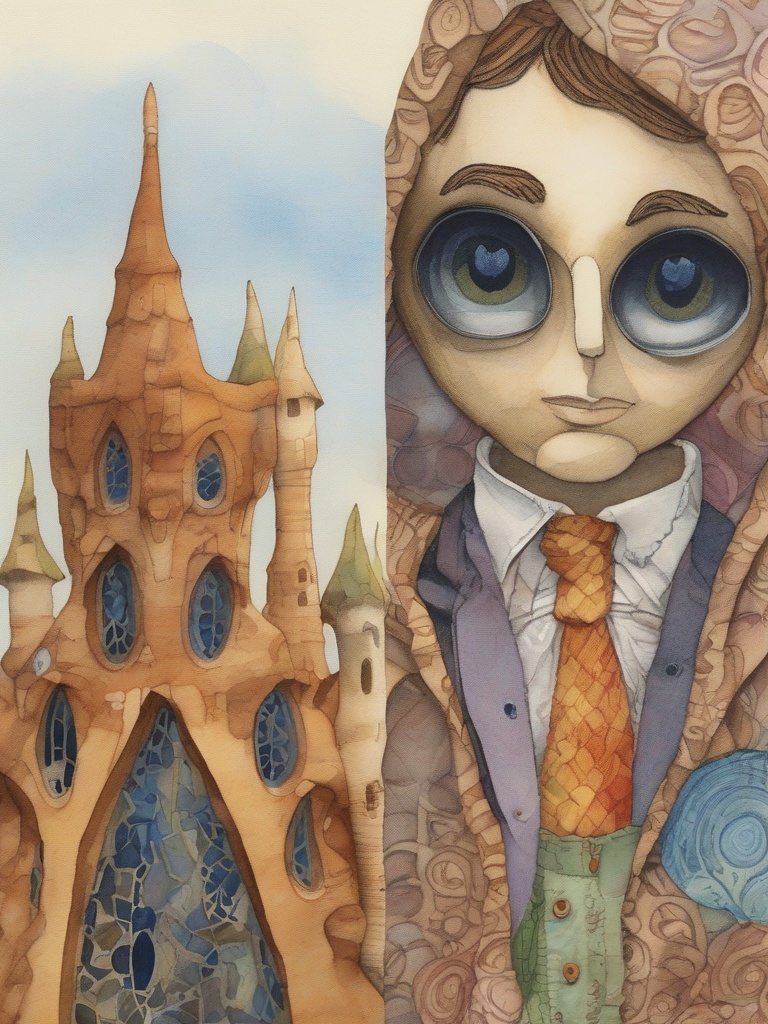
A frail boy on his father's farm near Riudoms, spending long quiet hours studying leaves, snails and light — the school that shaped everything.
Answer all three to unlock this stage.
Unlock the previous stage first.
Crafting the doll
Garment: a sober dark wool 1900s suit and waistcoat in charcoal and deep green, a crisp white collar, a soft full white beard in brushed felt. Signature attribute: a tiny catenary hanging-chain model (string + felt weights) and a shimmering trencadís mosaic tile of broken coloured ceramic. Education card: explains how Gaudí used nature, hanging chains and broken tiles to build — biomimicry and upcycling, a century early. Sizes Classic 32 / Kidogo 18–20 / Shule 28. Part of proceeds → Sagrada Família conservation and Catalan heritage craft.
How this doll is made
To make this doll honestly, dress an elderly Catalan craftsman in sober dark wool and surround him with the things he actually invented — chains, tiles and tree-like stone.
- Garments 1
- Accessories 3
- Materials 2
- Techniques 2
Garments
- Sober dark wool suitA charcoal or deep-green 1900s three-piece suit with a waistcoat and white collar — Gaudí dressed plainly, especially in his devout later years near the Sagrada Família.DetailsEN
Accessories
- Full white beardA soft, full white beard in brushed felt or wool gives the elder 'God's architect' silhouette familiar from his late portraits.DetailsEN
- Sagrada Família spireA small sculpted slender tower with a brightly tiled finial, echoing the basilica's pinnacles, in air-dry clay painted in trencadís colours.DetailsEN
- Sketchbook of natureA tiny open sketchbook drawn with branches, leaves and bone-like curves shows where his forms came from — nature as his blueprint.DetailsEN
Materials
- Park Güell serpentine-bench baseAn optional wavy mosaic-tiled bench segment as a stand, recreating the trencadís terrace of Park Güell (built 1900–1914).DetailsEN
- Warm Mediterranean paletteColour the set in Catalan light — terracotta, olive green, ochre gold and sea blue — the tones Gaudí drew from his landscape.DetailsEN
Techniques
- Trencadís mosaic tileMake a tiny mosaic from small broken pieces of coloured ceramic set in white grout — Gaudí's signature technique, reusing waste tile in greens, golds and blues.DetailsEN
- Catenary hanging-chain modelBuild a small upside-down model of fine chains or string with felt weight-bags — his form-finding tool for arches; a teaching prop in its own right.DetailsEN
Origin & Ethics
How we know this
On honesty: very well documented (his buildings survive, plus drawings, models, contemporary accounts and UNESCO listings). Homage, not likeness; the doll stylises an idea of Gaudí rather than reproducing his face, and we note that the dramatic 'God's architect' legend grew partly after his death — his ongoing beatification cause is a matter of faith, not historical fact.
Committee: Junta Constructora del Temple de la Sagrada Família; the Reial Càtedra Gaudí (UPC, Barcelona); Catalan cultural bodies and art historians; Casa Batlló / Park Güell heritage offices. 5-step protocol as standard; treat the religious meaning of the Sagrada Família with care.